2026 Best Ground Black Pepper Varieties for Culinary Perfection?
Ground Black Pepper is a staple in kitchens worldwide. Its rich flavor enhances countless dishes, making it a culinary favorite. According to the 2021 Spice Market report, the global pepper market is projected to reach over $3.5 billion by 2026. This underscores the growing appreciation for quality spices.
In recent years, consumers have become more discerning. They seek not just flavor, but also origin and freshness. The rise of gourmet cooking has spotlighted premium Ground Black Pepper varieties. It is no longer just a seasoning; it's an ingredient that can define culinary success. Various regions produce unique flavors. For example, Tellicherry pepper from India is renowned for its bold profile.
However, challenges persist. Quality control can be inconsistent. Some brands focus on appearance over flavor. Not all Ground Black Pepper delivers the expected quality. This disparity can lead to culinary frustration. As the spice market evolves, it’s vital to seek reliable sources. In 2026, we can expect to see an even wider range of Ground Black Pepper, catering to refined tastes and the desire for culinary perfection.
Selection Criteria for Ground Black Pepper Varieties
When selecting ground black pepper for culinary uses, several criteria come into play. Freshness is critical. Look for pepper that has been ground recently. This ensures it retains its essential oils. Freshly ground pepper delivers a deeper flavor profile. It enhances dishes far more than pre-ground options.
Next, consider the aroma. High-quality black pepper should emit a rich, pungent scent. This fragrance hints at the flavor you can expect. Be cautious, as some varieties may be too mild or even stale. A robust aroma speaks to its quality and potency. Taste varies among different origins.
Finally, assess the texture. Fine ground pepper may seem convenient, yet coarser grinds add texture and depth to dishes. Reflect on how you plan to use it. In stews, coarser pepper can enhance mouthfeel. In dressings, finely ground is often preferred. Each choice carries weight in culinary applications. Balancing these factors can lead to true perfection.
Top Growing Regions for High-Quality Black Pepper
When it comes to growing high-quality black pepper, several regions in the world stand out. One of the most renowned is Kerala, India. This region offers the ideal climate, with abundant rainfall and rich soil. Farmers here nurture their plants with care. The result is a robust flavor that captivates culinary enthusiasts.
Vietnam is another crucial player in the black pepper market. The country's warm climate and varied geography allow for diverse growing conditions. Areas like Phu Quoc produce distinct pepper varieties with unique notes. This complexity can enhance any dish, but some varieties have inconsistent quality. Understanding these nuances is vital for culinary perfection.
Still, challenges exist in pepper cultivation. Pests and climate change threaten crops worldwide. Farmers often grapple with these issues, affecting the final product. Careful attention to detail can yield excellent results. However, the variability in quality may require more effort from chefs and home cooks alike. The quest for the perfect black pepper continues.
Unique Flavor Profiles of Various Black Pepper Types
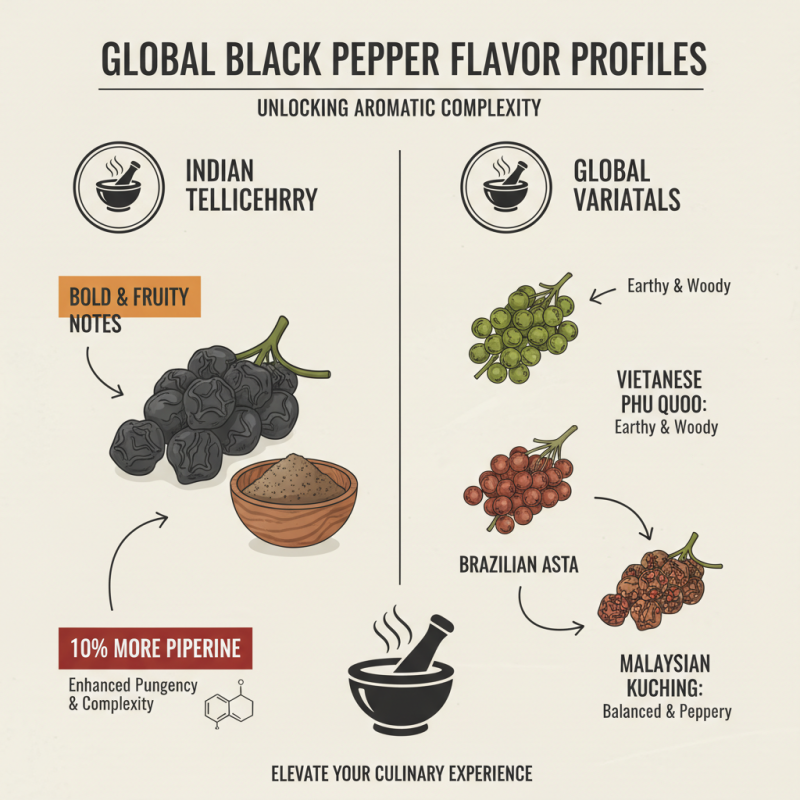
When considering the unique flavor profiles of various black pepper types, it’s essential to delve deeper into their aromatic properties. Black pepper from different regions exhibits distinct characteristics, shaping culinary experiences. For instance, Indian Tellicherry black pepper is known for its bold and fruity notes. Reports indicate that it has about 10% more piperine than standard pepper. This compound enhances its pungency and complexity, making dishes more vibrant.
Malabar pepper, another variety, is often celebrated for its earthy undertones. It brings a different dimension to recipes, with a spicy yet slightly sweet finish. In contrast, Vietnamese black pepper tends to have a sharper flavor profile. Industry insights suggest that this variety contains less oil but has a more intense heat, making it a popular choice for spicy cuisines.
However, it’s crucial to note that not everyone appreciates these distinctions. Some cooks may find the intense flavors overwhelming. The challenge lies in using the right variety to complement, rather than dominate, a dish. Personal preferences often dictate which type works best. Aromas and subtleties can be subjective, leaving room for debate.
Culinary Uses and Pairings for Ground Black Pepper
Ground black pepper is an essential spice in many kitchens. It adds warmth and a subtle kick to dishes. Using it effectively can elevate a simple meal. It pairs well with various ingredients, enhancing their flavors. Think about using it with roasted vegetables. The heat of black pepper complements the sweetness of carrots or the earthiness of mushrooms.
In soups and stews, ground black pepper works wonders. Just a pinch can transform a bland broth. It also shines in salad dressings, especially vinaigrettes. The spice balances acidity from vinegar. For a quick boost, add black pepper to scrambled eggs. The aroma blends beautifully with the rich, creamy texture.
However, overusing ground black pepper can overwhelm the dish. There's a fine line between enhancement and overpowering flavors. Experimentation is key. Each type of pepper has its own characteristics. Some are more pungent than others. Discover how different varieties can influence your culinary creations. Embrace the journey of learning.
2026 Best Ground Black Pepper Varieties for Culinary Perfection
| Variety |
Flavor Profile |
Culinary Uses |
Pairings |
| Tellicherry |
Complex and bold with citrus notes |
Meats, sauces, and marinades |
Lamb, citrus fruits, and herbs |
| Malabar |
Pungent and woody with a touch of sweetness |
Vegetables, curries, and salads |
Potatoes, eggplant, and spices |
| Ceylon |
Mild and aromatic with floral undertones |
Soups, desserts, and seafood |
Oysters, fish, and sweet dishes |
| Sarawak |
Fruity and spicy with a lingering aftertaste |
Stir-fries, pasta, and cheeses |
Pasta, soft cheese, and fruits |
| Kampot |
Earthy and slightly sweet with a complex aroma |
Grilled meats, dips, and marinades |
Duck, dark chocolate, and rich sauces |
Storage and Freshness Tips for Ground Black Pepper
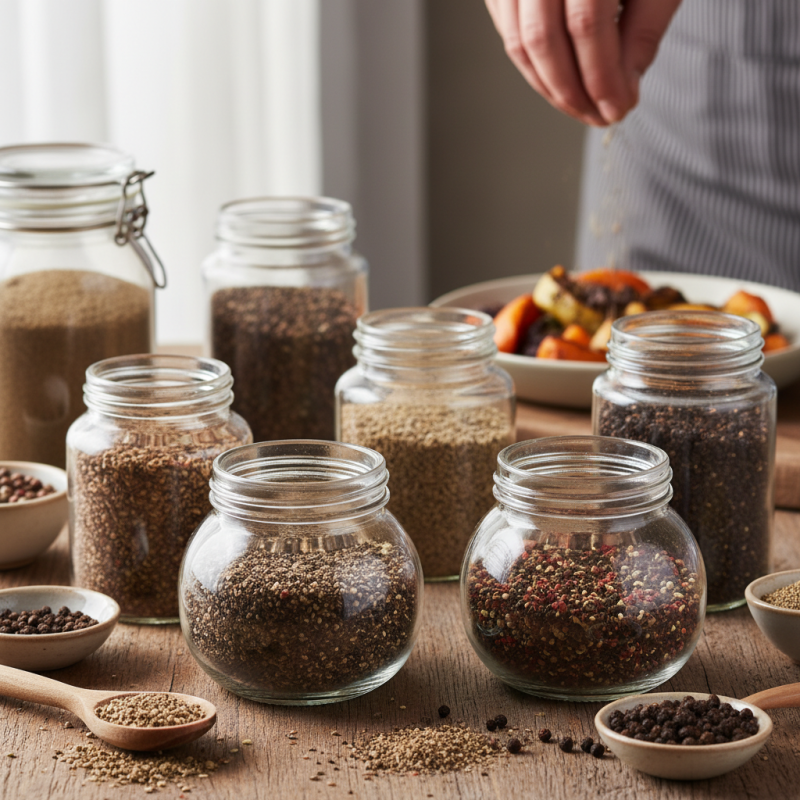
Ground black pepper is a staple in many kitchens. To maintain its peak flavor, storage is crucial. Keep it in a cool, dark place. A pantry or cabinet is ideal. Light and heat can degrade its quality over time. Use airtight containers to prevent moisture. Glass jars or tightly sealed bags work best.
Check for freshness regularly. Ground black pepper can lose its potency after six months. If it smells musty or lacks aroma, it’s time to discard it. A lack of flavor can ruin your dishes. Remember this the next time you reach for that old jar. Experiment with smaller quantities to ensure you use it up in time.
Consider grinding whole peppercorns for even better flavor. A small pepper mill can elevate your dishes. Freshly ground pepper provides a vibrant taste that pre-ground cannot match. Don't overlook the importance of proper storage and freshness—it makes all the difference.