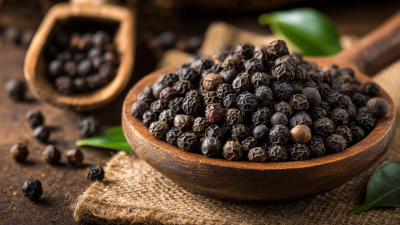
Best Black Pepper Powder Uses Benefits and Recipes?
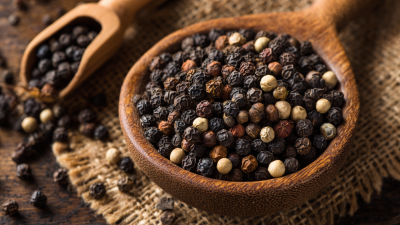
Black Pepper Powder is often known as the "king of spices." Its robust flavor enhances diverse dishes globally. According to a report by the Global Spice Market, the black pepper market is expected to grow at a rate of 5% annually through 2027. This growth highlights its increasing popularity among chefs and home cooks alike.
Dr. Sarah Thompson, an expert in culinary spices, states, "Black Pepper Powder does more than just season food; it offers significant health benefits." Research indicates that this spice is rich in antioxidants. It can aid digestion and has anti-inflammatory properties. Despite its advantages, many overlook its potential.
Cooking with Black Pepper Powder can revolutionize everyday meals. A pinch can elevate simple recipes to gourmet creations. Yet, some cooking methods can diminish its flavor. Rethinking how we use this spice could enhance our culinary experiences. Understanding its benefits is key to maximizing its potential in meals.
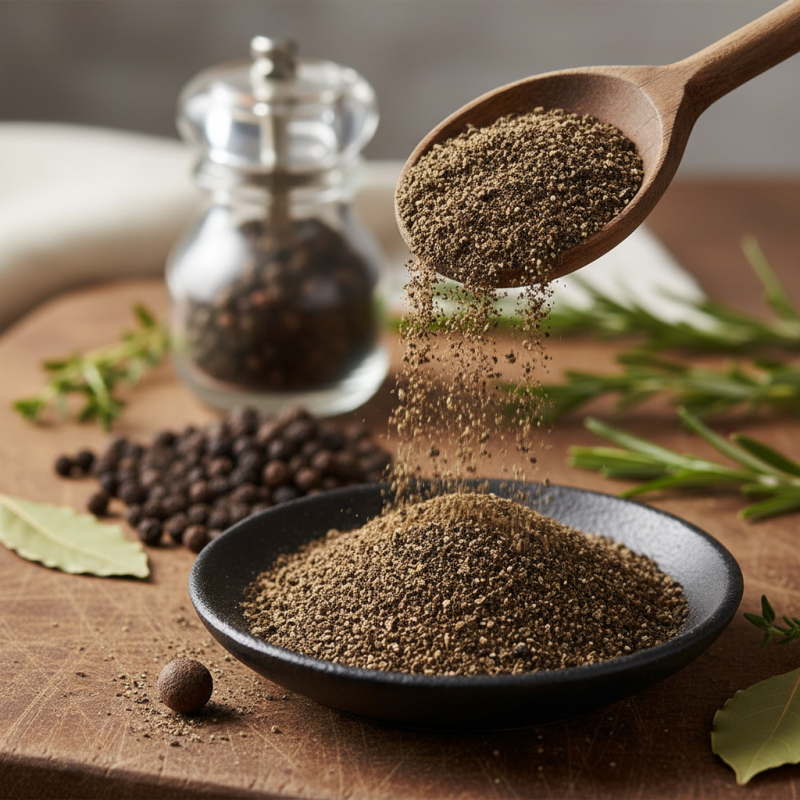
Best Black Pepper Powder Uses: Culinary Applications and Flavor Enhancements
Black pepper is often referred to as the "king of spices." Its robust flavor enhances a variety of dishes. Culinary applications range from seasoning meats to spicing up vegetables. According to a recent report, the global black pepper market size is projected to reach approximately $1.6 billion by 2025. This growth reflects the spice's popularity in cuisines worldwide.
In the kitchen, black pepper elevates flavors. Its pungency brings depth to soups and sauces. A sprinkle can transform the ordinary into the extraordinary. Some chefs argue that too much can overpower subtle flavors. Finding the right balance is crucial. Too often, people overlook this important spice, opting for blends that lack character.
Nutritionally, black pepper offers benefits. Studies show it contains piperine, which may enhance nutrient absorption. It could also boost metabolism and aid digestion. However, relying solely on supplements for health isn't wise. Whole foods offer more comprehensive benefits. This is a reminder to approach spices with intention and mindfulness.
Health Benefits of Black Pepper Powder: Nutritional Insights and Studies
Black pepper powder is more than a kitchen staple. It offers substantial health benefits supported by various studies. According to research published in the "Journal of Medicinal Food," black pepper contains piperine, an alkaloid that enhances nutrient absorption. This can lead to better digestion and improved nutrient utilization from the foods we consume.
Furthermore, studies show that black pepper may have anti-inflammatory properties. The "American Journal of Clinical Nutrition" highlighted how piperine can reduce markers of inflammation. Regular consumption could potentially aid in managing chronic conditions. However, more extensive research is needed to fully understand these effects.
Many use black pepper solely for its flavor. However, it has potential beyond seasoning. Incorporating it into smoothies or soups can amplify health benefits. Experimenting with recipes may require patience and adjustments. Some may find it overpowering at first. That’s okay; balance is key. It’s about exploring and appreciating black pepper’s unique properties, whether in health or culinary ventures.
Best Black Pepper Powder Uses Benefits and Recipes
| Uses |
Benefits |
Nutritional Insights |
Popular Recipes |
| Seasoning for food |
Enhances digestion |
Per tablespoon: 16 cal, 0.6g protein, 4g carbs |
Pepper Chicken Stir Fry |
| Ingredient in spice blends |
Rich in antioxidants |
Contains piperine, which aids absorption |
Spicy Lentil Soup |
| Flavoring for soups and stews |
Supports respiratory health |
Good source of manganese and vitamin K |
Black Pepper Beef Stew |
| Marinades and dressings |
Boosts metabolism |
Contains essential oils with antimicrobial properties |
Garlic Pepper Marinade |
| Cleansing and detoxifying agent |
Aids nutrient absorption |
May improve gut health |
Pepper Infused Olive Oil |
Exploring Black Pepper Powder in Traditional Medicine: Historical Perspectives
Black pepper, known as the "king of spices," has a rich history in traditional medicine. Cultures around the world have utilized it for centuries. Ancient texts from India and China mention its medicinal properties. Black pepper was revered not just for flavor, but also for its healing benefits. It was often used to treat digestive issues and enhance nutrient absorption.
In Ayurveda, black pepper is considered a powerful herb. It's believed to stimulate digestion. The active compound, piperine, is known for its antioxidant benefits. This substance enhances metabolism, possibly helping maintain a healthy weight. It’s intriguing to think about how something as simple as black pepper has persisted through the ages.
**Tips:** Add black pepper to herbal teas for added health benefits. Use it in cooking to unlock its flavor. Consider trying it in unexpected dishes, like desserts. Exploring different uses can refresh your culinary experience. Don’t hesitate to experiment, but be cautious. Too much black pepper can overpower a dish.
Innovative Recipes Featuring Black Pepper Powder: Flavoring Your Meals
Black pepper powder is more than just a spice. It adds depth and warmth to various dishes. In every culinary tradition, black pepper plays a key role. A report by the Global Industry Analysts indicates that the demand for pepper is rising, with a forecasted growth rate of 3.5% annually. This spice is essential for flavoring meals across cultures.
Innovative recipes utilizing black pepper can elevate everyday cooking. Try adding black pepper to lemon vinaigrette. This combination enhances salads beautifully. Another idea is to sprinkle black pepper on roasted vegetables. It amplifies sweetness and adds complexity. You can even incorporate it into desserts. For instance, a chocolate mousse with a pinch of black pepper brings out rich flavors.
Tips for using black pepper: Always grind fresh. Pre-ground pepper loses aroma quickly. Additionally, experiment with pairing it with sweet ingredients. Think fruit salads or caramel sauces. Remember, a little goes a long way. Measuring is helpful but involves creativity. Don’t be afraid to adjust according to taste. Each sprinkle should be a personal touch to your dish.
Quality Assessment of Black Pepper Powder: Grades and Purchasing Guidelines
When purchasing black pepper powder, quality is key. Various grades exist, and understanding these can greatly enhance your culinary experience. Higher-grade pepper tends to have a stronger aroma and flavor. It often comes from mature berries that are properly processed. Look for a vibrant color and a fresh scent when buying. The texture should be fine, not dusty.
Consider checking the packaging closely. Dates matter. Freshness impacts taste, so buy products with a long shelf life. Don't overlook the source. Freshly ground pepper from reputable suppliers usually outperforms packaged versions. Scent is a telltale sign of quality. Take a whiff before purchasing if possible. Sometimes, the more expensive products are not necessarily better, so balance quality with your budget.
Experimenting with different grades can be enlightening. Each type can change the flavor profile of dishes. However, finding the right one is not always easy. Sometimes, you may find unexpected results. This exploration can lead to culinary surprises, but also occasional disappointments. Pay attention to how your chosen pepper performs in various recipes. Be willing to adjust and refine your selections over time.