

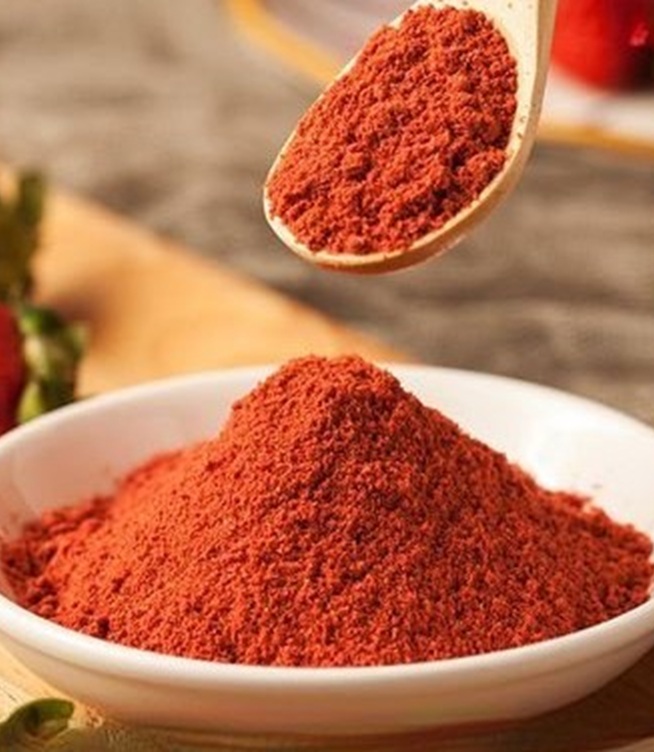
Are Freeze dried Strawberries the Same as Frozen Strawberries?
Strawberries are one of the most beloved fruits in the world — sweet, juicy, and full of vitamins. But when it comes to preservation, not all strawberries are treated the same. If you’ve ever found yourself wondering whether freeze dried strawberries and frozen strawberries are interchangeable, you’re not alone. While they both start from the same fresh fruit, they go through completely different processes, resulting in major differences in texture, storage, usage, and even flavor.
How They're Made
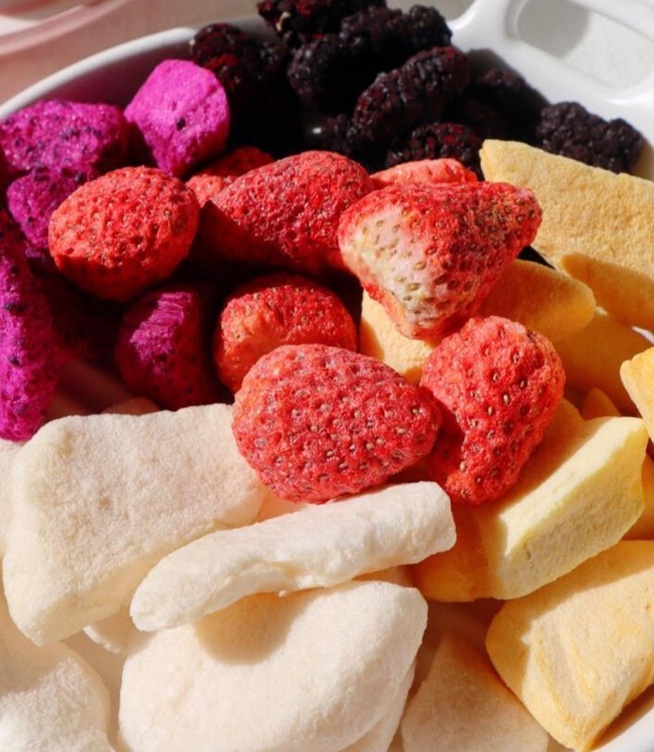
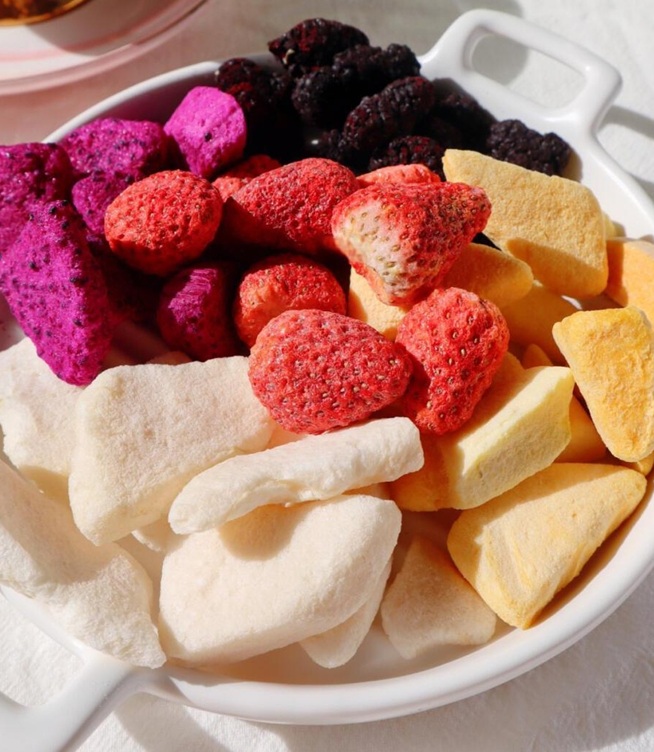
The key difference between freeze dried and frozen strawberries lies in how they are processed. Freeze dried strawberries go through a process: first, they are quickly frozen, and then they enter a vacuum chamber where the moisture is gently removed through sublimation — a scientific method that turns ice directly into vapor without melting it into liquid first. This process leaves behind a completely dry strawberry that maintains its shape, color, and most of its nutrients.
Frozen strawberries are simply washed, hulled, and quickly frozen, often through individual quick freezing (IQF). This method locks in moisture and preserves the fruit in its most natural state. However, since the water is still inside the fruit, frozen strawberries must remain in cold storage and will return to a soft, often mushy state once thawed. While both methods aim to preserve freshness, the outcomes couldn’t be more different.
Texture and Taste
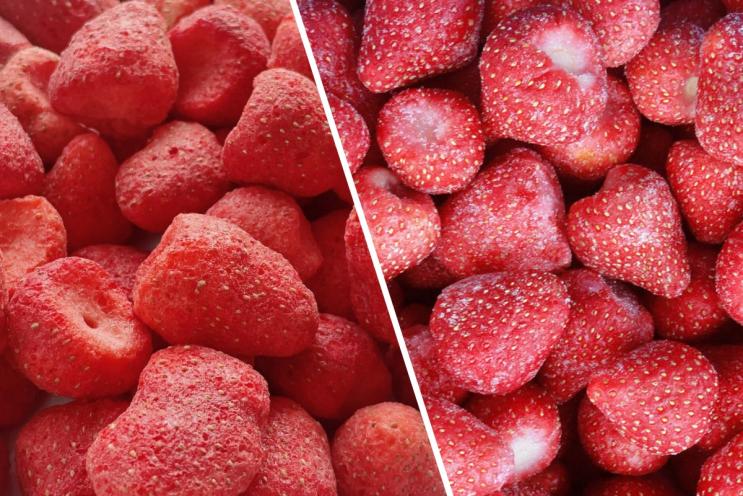
If you've ever bitten into a freeze dried strawberry, you’ll notice the texture is light, crisp, and almost airy. This crunchiness makes freeze dried strawberries popular in snack mixes, breakfast cereals, and as a topping for yogurt or smoothie bowls. The removal of water intensifies the natural sugars, creating a slightly sweeter and more concentrated flavor experience.
On the other hand, frozen strawberries retain their original water content, which gives them a soft and juicy texture when defrosted. However, because freezing causes water molecules to expand, some cellular damage occurs, often resulting in a mushier consistency compared to fresh strawberries. The flavor is still present — sometimes more muted — but frozen strawberries are much better suited to cooked applications like baking, sauces, or smoothies where texture matters less.
Storage and Shelf Life
One of the biggest advantages of freeze dried strawberries is their long shelf life. Because they contain less than 5% moisture, they are shelf-stable and can last for over a year when kept in a sealed, moisture-proof package at room temperature. Frozen strawberries, by contrast, must be kept in a freezer at all times and are more sensitive to temperature changes. Their shelf life is typically around 6 to 12 months, after which they may suffer from freezer burn, flavor degradation, or texture loss.
Nutritional Comparison
Both freeze dried and frozen strawberries retain much of their original nutritional value, but there are some differences depending on the processing and storage conditions. Freeze-drying does involve some exposure to low heat, which may slightly reduce vitamin C levels — a heat-sensitive nutrient. However, because the fruit is processed quickly and without the use of high temperatures, most of the antioxidants, fiber, and minerals remain intact.
Frozen strawberries are often flash frozen shortly after harvest, helping to lock in vitamins and preserve enzyme activity. In fact, studies show that frozen fruits can sometimes retain more vitamin C than fresh fruit that’s been sitting on the shelf for several days. Still, once defrosted, frozen strawberries are more prone to nutrient degradation, especially if they aren’t consumed quickly.
Best Uses for Each
Freeze dried strawberries shine in dry applications. They are a favorite in trail mixes, energy bars, cereals, baked goods, and powdered smoothie blends. They’re also used as a visual and textural upgrade for desserts and confections, offering an appealing crunch and intense strawberry flavor. Because they don’t require refrigeration, they’re easy to carry and portion, making them perfect for on-the-go snacking or food kits.
Frozen strawberries are better for recipes that involve cooking, blending, or heating. They work wonderfully in pies, jams, sauces, smoothies, and syrups, anything where a soft texture is acceptable or even desirable. While not snackable straight from the bag like freeze dried fruit, frozen strawberries offer versatility and value for home cooks and food manufacturers alike.
Final Thoughts
Freeze dried strawberries are light, crunchy, and perfect for long-term storage or dry applications. Frozen strawberries are soft, juicy, and better suited for blended or cooked recipes. If you're a brand, food manufacturer, or bulk buyer looking for high quality fruit ingredients, understanding these differences can help you make better product decisions.