



Black Pepper or White Pepper? How to Choose the Right One
Pepper is one of the most essential seasonings in kitchens worldwide. Whether sprinkled over a sizzling steak or stirred into a fragrant soup, it brings depth, aroma, and a hint of heat to countless dishes. But when you stand in front of the spice aisle, you might find yourself asking: should I buy black pepper or white pepper? Are they different spices altogether, or just different forms of the same thing? And which one works best for your cooking?
Same Plant, Different Processing
Both black and white pepper come from the berries of the same plant—Piper nigrum. The differences between them lie in their harvest stage and processing method, which in turn affect their aroma, flavor, and culinary uses.
Black pepper is harvested when the pepper berries are still unripe but almost ready to mature. The berries are then sun dried or air dried, during which the skin shrivels and turns dark brown or black. This drying process locks in a high concentration of essential oils and flavor compounds, giving black pepper its bold, pungent aroma and slightly smoky undertone. It often contains hints of citrus, wood, and even subtle floral notes.
White pepper is picked later, after the berries have fully ripened to a red color. The harvested berries are soaked in water to loosen the outer skin, which is then removed. Only the pale inner seed is dried, resulting in a milder, cleaner flavor with a lighter color—typically off-white to pale yellow. Removing the skin also reduces the pepper’s volatile oil content, making its aroma more subtle and its spiciness less aggressive.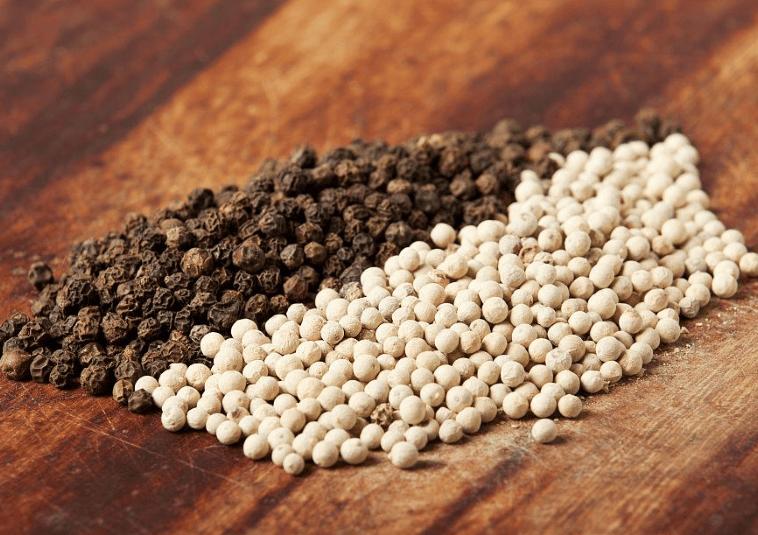
Comparing Aroma, Flavor, and Heat
The difference in processing leads to distinct flavor profiles. Black pepper, with its intact outer skin, has more volatile oils and a complex aroma. The flavor is robust, slightly fruity, and intensely spicy. This makes it ideal for recipes where pepper plays a starring role or needs to stand up to strong-tasting ingredients.
White pepper, without its skin, offers a smoother, earthier flavor. While it is still spicy, it is generally perceived as gentler and less aromatic than black pepper. The absence of the outer layer means fewer flavor compounds are present, but it also eliminates the slightly bitter edge that some people notice in black pepper.
It’s worth noting that black pepper’s volatile compounds evaporate quickly when exposed to high heat for long periods. This is why freshly ground pepper added at the end of cooking often tastes much more vibrant. White pepper, with fewer volatile oils, retains its flavor better during prolonged simmering or boiling.
Choosing the Right Pepper for Your Dishes
Which pepper you choose depends on the dish you’re making and the effect you want to achieve.
Black pepper’s bold heat and deep flavor make it perfect for seasoning meats, grilled or roasted dishes, and hearty stews. It works beautifully with beef, lamb, and rich seafood like tuna or salmon. Black pepper is also a classic companion for eggs, pasta, and creamy sauces. For best results, grind it fresh directly over hot food just before serving to capture its full aroma.
White pepper’s milder taste and pale color make it ideal for light-colored dishes where black specks might be visually distracting. It’s a popular choice in cream soups, white sauces, mashed potatoes, and seafood chowders. It also helps balance the flavors of delicate vegetables and fish while toning down any unwanted “fishy” or gamey notes. Because its flavor is more stable during cooking, white pepper can be added earlier in the process without losing its impact.
Tips for Getting the Best Flavor
Pepper’s flavor is at its peak right after the peppercorn is cracked or ground. For black pepper, this is especially important—whole peppercorns retain their aroma much longer than pre-ground pepper. Whenever possible, buy whole peppercorns and grind them just before use.
When cooking with black pepper, remember that heat causes its essential oils to evaporate. Adding it too early in the cooking process can result in a weaker flavor. For dishes that require long cooking, add a portion of black pepper early for depth, then finish with a fresh grind right before serving.
White pepper is more heat-stable, so it can be added earlier without as much loss of aroma. However, overuse can make its earthiness seem too pronounced, so use it in moderation, especially in delicate dishes.
Both black and white pepper contain piperine, the compound responsible for their heat. In excessive amounts, piperine can irritate the stomach, especially in people with sensitive digestion. For those with gastrointestinal issues, moderate consumption is recommended.
Selecting High Quality Pepper
Good pepper starts with good peppercorns. For black pepper, look for peppercorns that are uniformly dark, firm, and free from dust or debris. Well-dried peppercorns should feel heavy for their size and release a strong aroma when crushed.
For white pepper, choose seeds that are clean, smooth, and free from black spots or mold. Their color should be pale and even, with no unpleasant odors. Because white pepper is more prone to developing off-flavors if not properly dried, freshness is especially important.
Whenever possible, check the packaging for harvest date, production date, and shelf life. Pepper stored too long may lose much of its flavor even before opening.
Storing Pepper Properly
Pepper is sensitive to light, moisture, and heat, all of which can cause it to lose its aroma. Store it in an airtight container in a cool, dry place, away from sunlight and humidity. Avoid storing it near the stove, where steam and heat can speed up flavor loss.
Whole peppercorns generally keep their flavor for about a year, while pre-ground pepper is best used within a few months. If you buy in bulk, consider keeping most of it sealed in an airtight jar and refilling a smaller spice jar as needed.
ShunDi Foods – Bulk Pepper Supply for Global Clients
ShunDi Foods is a trusted supplier of air dried black pepper and white pepper. Our pepper products are 100% natural, and certified by BRC, HACCP, Halal, and Kosher standards. We offer whole peppercorns, cracked pepper, and finely ground pepper, tailored to your specific processing or packaging needs. Whether you’re producing seasonings, ready-to-eat meals, or gourmet products, we provide competitive pricing, reliable logistics, and technical support to help you create outstanding flavors for your customers.