
Debunking Common Myths About Freeze Dried Foods
In recent years, freeze dried foods have gained popularity within the mainstream food industry. With their long shelf life, vibrant appearance, and ease of use, freeze dried fruits, vegetables, and ready meals are increasingly found on supermarket shelves and in home pantries. In this article, we’ll address some of the most common misunderstandings and clarify what freeze-drying really offers.
Myth 1: Freeze Dried Foods Have No Nutritional Value
One of the most widespread myths is that freeze dried foods are nutritionally inferior to their fresh counterparts. In reality, freeze-drying is one of the best preservation methods for retaining nutrients. Because the process occurs at low temperatures under vacuum conditions, it minimizes the loss of heat-sensitive compounds such as vitamins and antioxidants.
For example, studies have shown that freeze dried fruits and vegetables can retain up to 90% of their original vitamin C content, something that traditional drying methods often cannot achieve. The vibrant colors and natural aromas of the food are also largely preserved, indicating that vital phytonutrients and flavor compounds remain intact. Unlike cooking or canning, freeze-drying doesn’t subject the food to high heat, which often causes nutrient degradation.
Moreover, the resulting products are extremely lightweight and shelf-stable due to the removal of 95% to 99% of their moisture. This also inhibits microbial growth and enzymatic activity, which helps preserve protein-rich foods even better than conventional freezing.
Pro tip: While freeze dried foods offer excellent nutritional benefits, consumers should pay attention to the ingredient list. Some commercial products, especially snacks, may contain added sugars, flavorings, or preservatives to enhance taste and texture. To get the cleanest product, opt for those labeled as "no additives".
Myth 2: Freeze Dried Food Is the Same as Dehydrated Food
Freeze dried and dehydrated foods are not the same. The key difference lies in the drying process and the end product’s quality.
Traditional dehydration removes moisture by applying heat, often at temperatures above 60°C (140°F). This process alters the food’s texture, color, and taste, and significantly reduces the content of heat-sensitive nutrients. Dehydrated vegetables, like those found in instant noodle seasoning packets, often rehydrate poorly and may have a chewy or rubbery consistency.
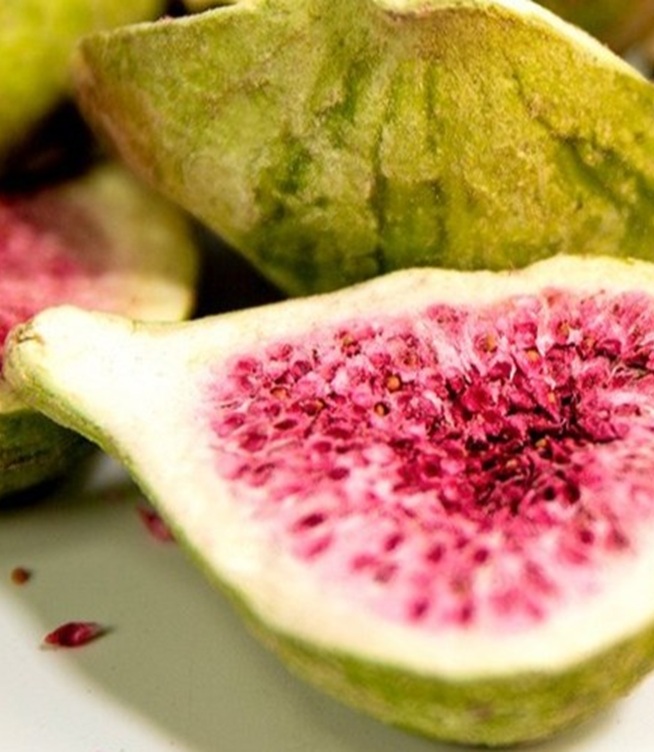
In contrast, freeze-drying involves freezing the food and then reducing the surrounding pressure to allow the frozen water in the food to sublimate directly from solid to gas. This preserves the cellular structure of the food, making it lighter, more porous, and far more capable of rehydrating to near-original form, both in taste and texture.
Myth 3: Freeze Dried Fruit Is the Same as Candied Fruit
It’s a common mistake to confuse freeze-dried fruits with traditional candied fruits like dried mango slices or preserved plums. Candied or "dried" fruits are typically made using high-temperature drying methods and are often heavily processed with added sugars, preservatives, and flavorings.
This not only reduces the nutritional value, especially the vitamin content, but also introduces large amounts of sugar, which can contribute to tooth decay and negatively affect blood sugar and triglyceride levels.
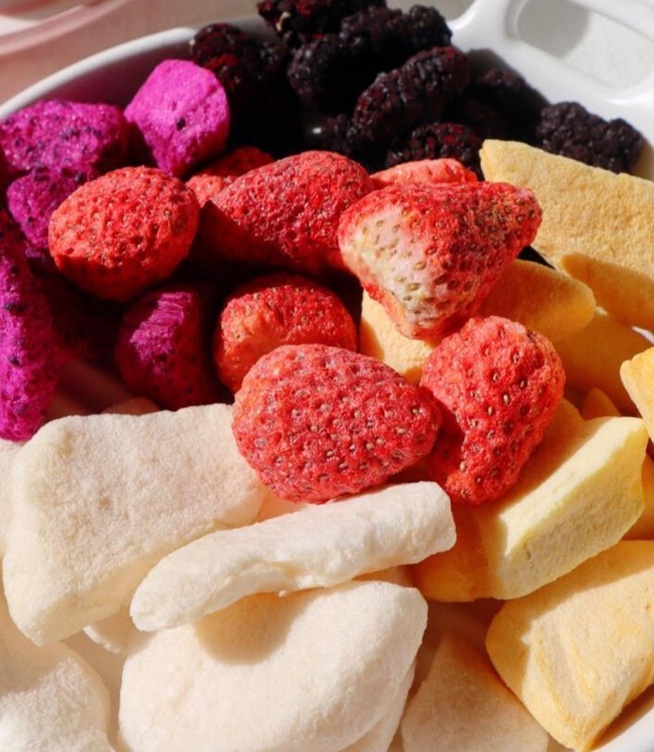
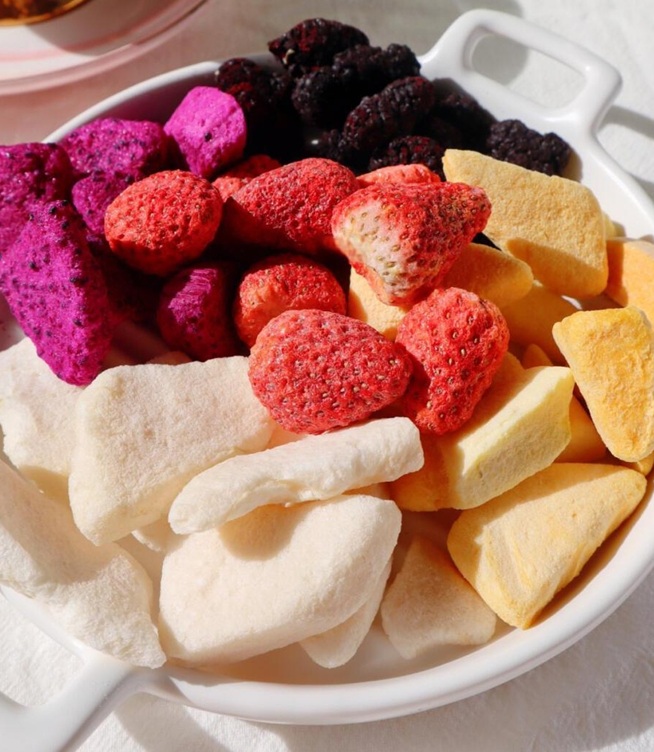
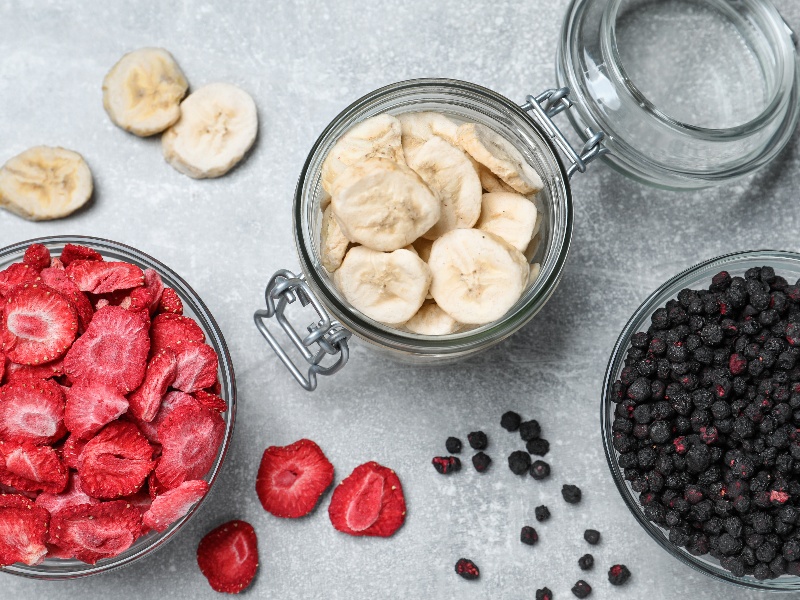
Freeze dried fruits, on the other hand, are made without added sugar unless explicitly stated. They offer a naturally sweet taste due to the concentration of sugars after water removal and maintain most of the fiber and nutrients present in the fresh fruit.
Myth 4: Freeze Dried Food Is Too Expensive to Be Practical
It’s true that freeze dried foods tend to cost more than fresh or traditionally dried options. But what you’re paying for is not just convenience; it's quality preservation, longer shelf life, and minimal waste.
Fresh produce often spoils within days, especially if not stored properly. In contrast, freeze dried fruits and vegetables can last for years without refrigeration. That means less food thrown away and lower long-term costs. For foodservice operators and manufacturers, it also reduces the need for cold chain logistics and inventory turnover.
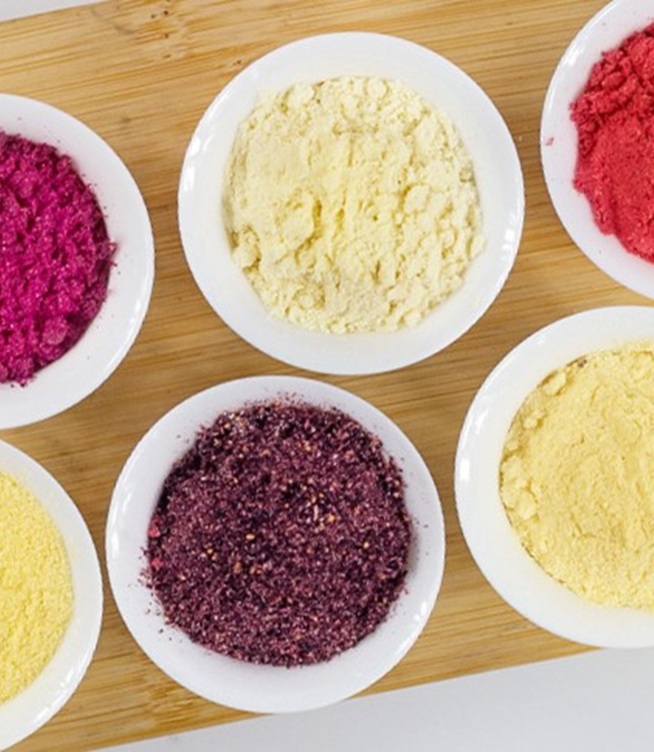
Additionally, because freeze dried foods are lightweight and compact, transportation and storage are more efficient. In industrial applications, even small amounts of freeze dried powder can deliver concentrated flavor and nutrition, reducing the need for bulk ingredients.
Final Thoughts
Freeze dried foods are a modern solution to food preservation that offers convenience without compromising nutrition. From fruits and vegetables to full meals, the freeze-drying process locks in flavor, color, and nutrients while making foods easy to store and prepare.
Whether you’re looking for healthy snacks, high quality ingredients for food production, or shelf-stable emergency supplies, freeze dried products are a reliable option. Just remember to read labels carefully to avoid unnecessary additives, and enjoy the best of freshness anytime, anywhere.