

Freeze Dried Mango vs. Traditional Dried Mango: Which Should You Choose?
Today, alongside the familiar traditional dried mango, a new player has emerged—freeze dried mango. Both offer distinct advantages, but which one is truly suited to your product line or manufacturing needs?
At the heart of the difference between these two forms lies the processing method—a factor that profoundly influences everything from texture and flavor to nutritional content.
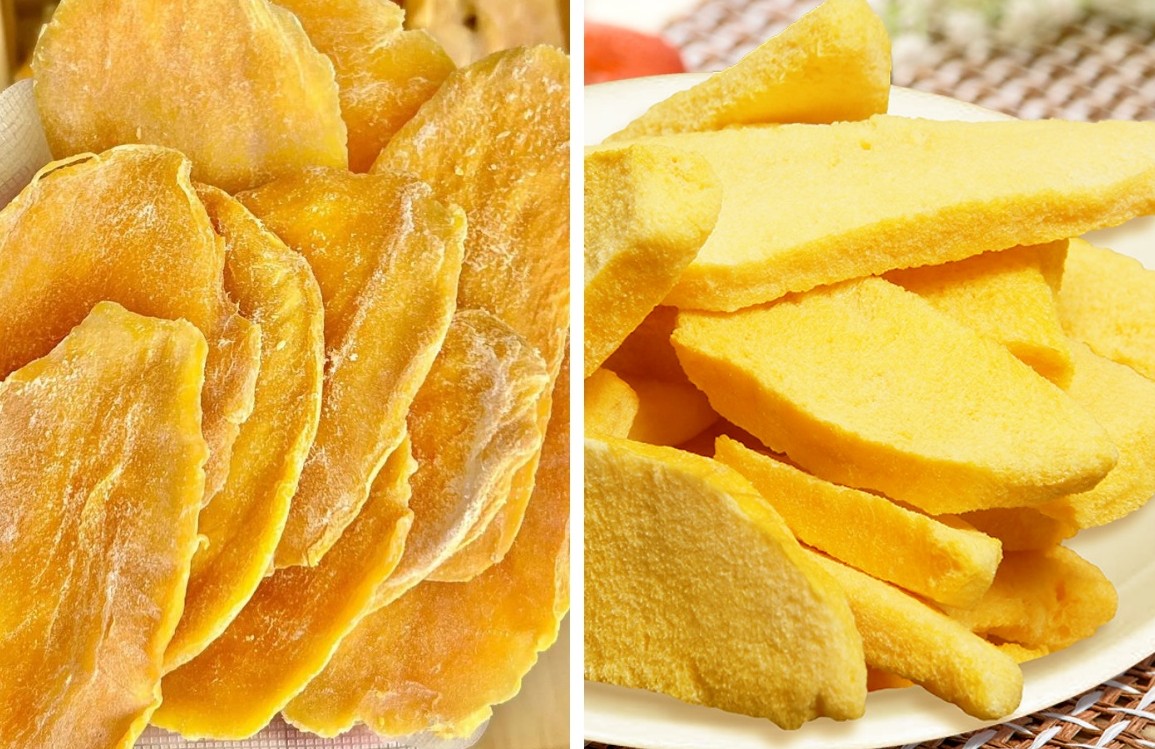
Traditional dried mango is typically made using hot-air dehydration. Sliced mango is placed in a drying chamber where warm air, usually between 50°C and 70°C, circulates for hours. This gradually draws out moisture, extending shelf life but also altering the fruit’s natural qualities. The extended heat exposure can lead to loss of sensitive nutrients like vitamin C, darkening of color, and a denser, chewier texture. To enhance appeal or prolong freshness, sugars or preservatives are sometimes added.
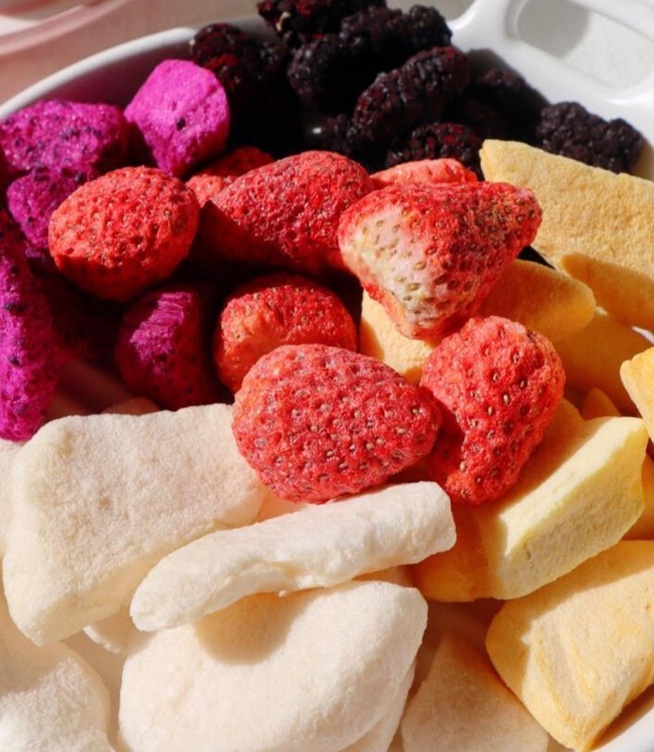
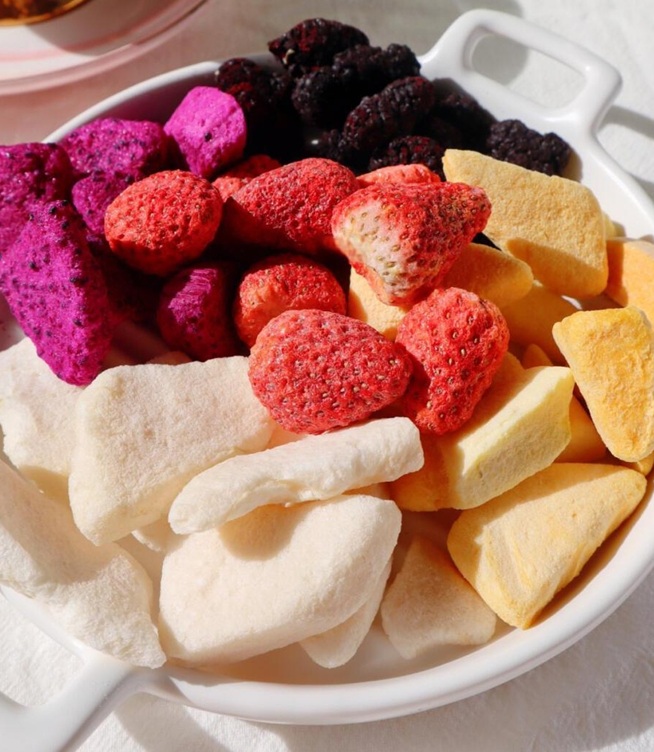
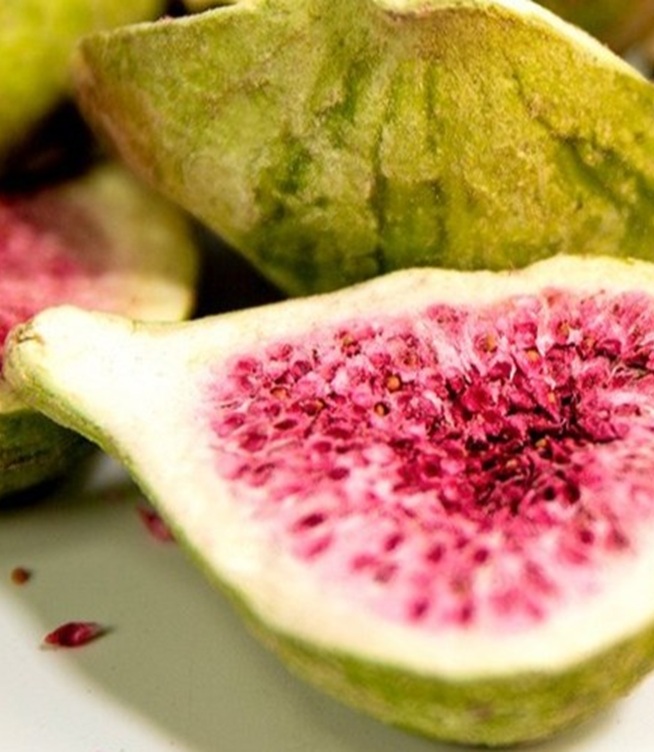
Freeze-drying, by contrast, takes a more delicate path. It begins with rapid freezing of the fresh mango at ultra-low temperatures, locking in its natural structure. The frozen fruit is then placed in a vacuum chamber, where a process called sublimation occurs: ice transforms directly into vapor without passing through a liquid stage. This gentle removal of moisture preserves the mango’s cellular integrity, resulting in a crisp, airy texture and a product that retains much of its original color, flavor, and nutritional value—often without the need for additives.
When we compare the two in terms of nutrition and sensory qualities, the distinctions become even clearer. Freeze dried mango often maintains over 90% of its original nutrients, including heat-sensitive vitamins and antioxidants. Its bright color and crisp, lightweight texture make it ideal for applications where a “fresh fruit” experience is desired—whether in premium cereals, smoothie boosts, or healthy snacking segments. It rehydrates quickly, releasing authentic mango flavor when mixed into beverages or recipes.
Traditional dried mango, with its deeper color and pleasantly chewy texture, remains a favorite in conventional snack mixes, bakery fillings, and confectionery. While some heat-induced nutrient loss is inevitable, it offers a richer, denser bite and often comes at a more accessible price point—making it a reliable choice for mass-market products.
So, which one should you choose? Your decision will likely come down to the profile of the product you’re developing. If you’re targeting the health-conscious consumer, creating clean-label items, or developing functional foods where nutrient retention matters, freeze dried mango is your best ally. Its vibrant color and intense flavor also work beautifully in premium product positioning.
On the other hand, if your focus is on creating affordable, familiar-textured snacks or sugar-based confections—such as fruit bars, trail mixes, or candy inclusions—traditional dried mango offers both cost efficiency and the classic chew that many consumers know and love.
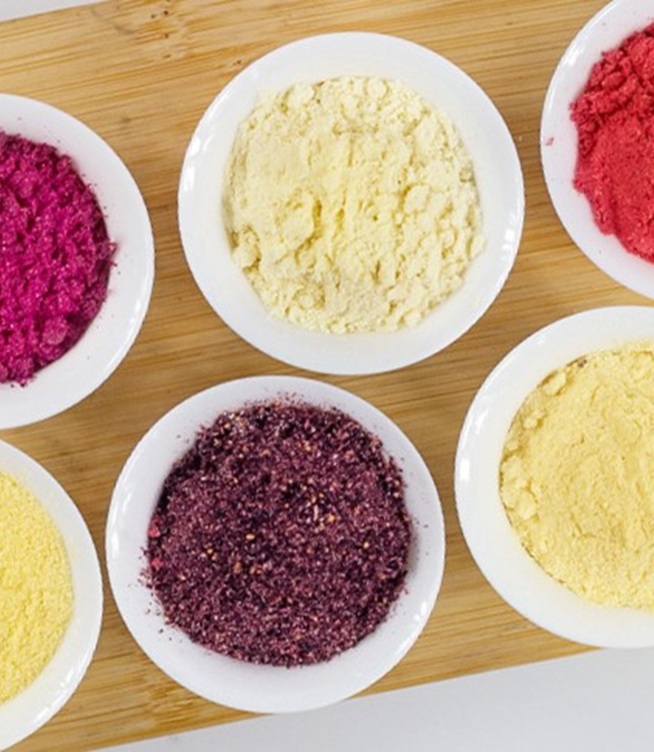
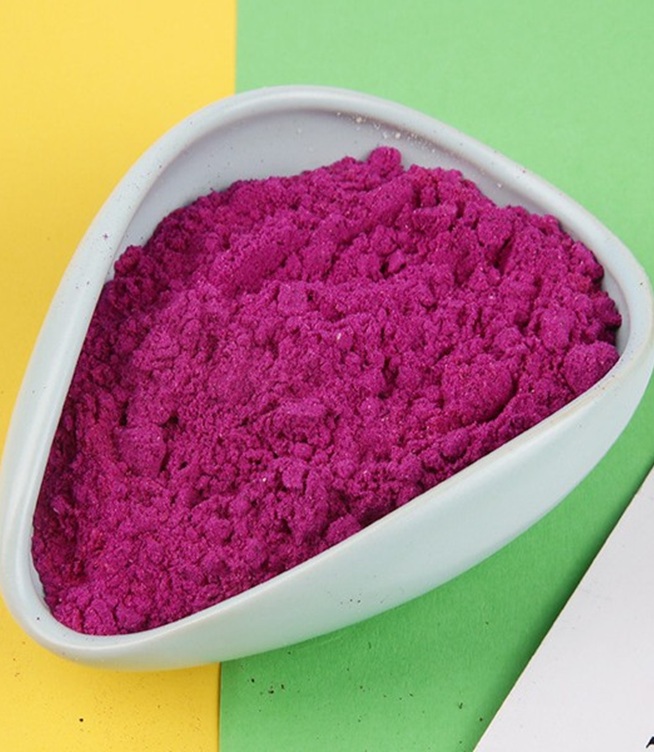
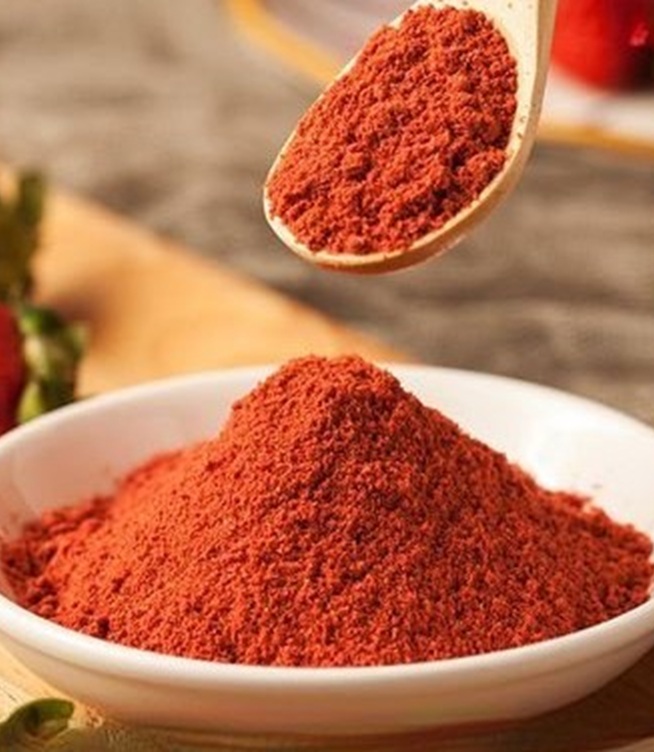
ShunDi Foods has been supplying the global food industry with high quality freeze dried fruit ingredients for over three decades. Our all natural freeze dried mango available as slices, dices, or powder. Supported by BRC, ISO22000, HALAL, and KOSHER certifications, we pride ourselves on delivering not just ingredients, but tailored solutions—including OEM services—to help you bring the right mango product to your market.