

Garlic Granules vs. Garlic Powder: Key Differences and Uses
Garlic is one of the most widely used seasoning ingredients worldwide. It is a staple in home kitchens and an essential component in the food industry. Now, dried garlic products have become a reliable way for companies to consistently capture garlic’s flavor. Among these products, garlic granules and garlic powder are the most common. Both are derived from fresh garlic, yet their different forms result in distinct characteristics in flavor release, applications, and processing methods.
Features of Garlic Granules
Garlic granules are made by cutting garlic into various sizes and then drying them. They provide visible fragments of garlic in food, offering a unique texture and mouthfeel. The aroma of garlic granules is released more slowly but lasts longer, gradually infusing during cooking or heating, which enhances the flavor layers of a dish. Due to these qualities, garlic granules are widely used in frozen foods, pizza, baked goods, canned products, and various sauces. In both catering and industrial food production, garlic granules deliver stable garlic flavor while adding a sense of authenticity and texture to the final product.
Features of Garlic Powder
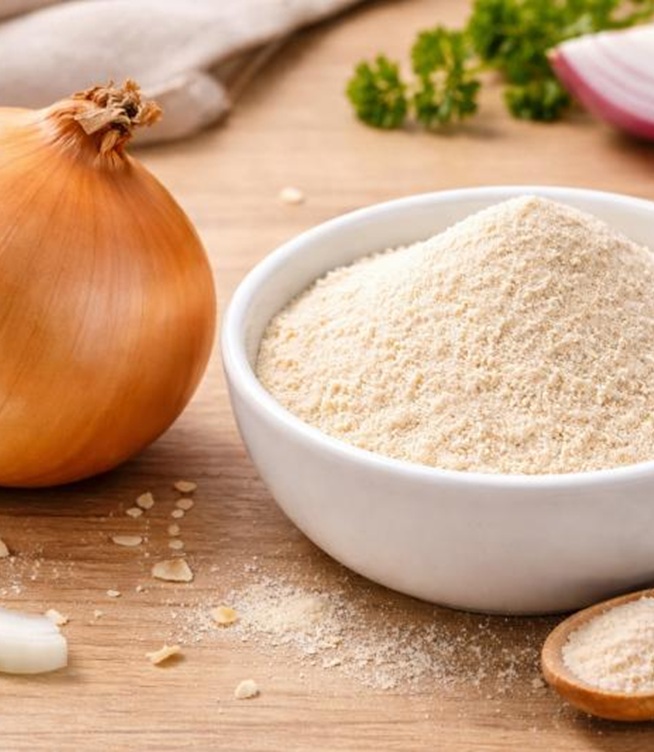
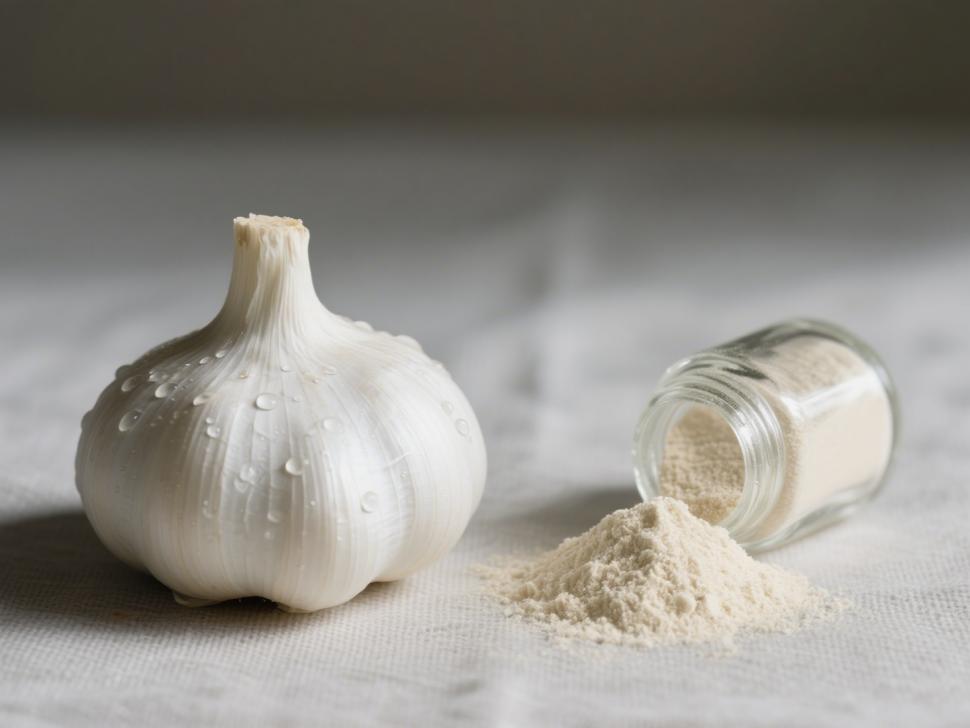
In contrast, garlic powder is finely ground from dried garlic. It dissolves or disperses quickly in food systems, releasing a strong and immediate garlic aroma. This makes garlic powder ideal for applications that require instant seasoning or even distribution. Food manufacturers commonly use garlic powder in compound seasonings, marinades, instant noodle flavor packs, snack seasonings, and processed meats such as sausages and cured meats. For large-scale industrial production, garlic powder significantly improves seasoning efficiency and consistency, making it an ideal choice for maintaining product quality and flavor stability.
Key Differences Between Garlic Granules and Garlic Powder
Overall, garlic granules emphasize texture and lasting aroma, while garlic powder focuses on rapid flavor release and even distribution. Granules are better suited for applications where layered mouthfeel is important, whereas powder is preferred for industrial processes that demand consistent seasoning and operational convenience. In many products, both forms are used together to balance flavor, texture, and processing needs.
ShunDi Foods’ Dried Garlic Products
ShunDi Foods has nearly 30 years of experience in cultivating, processing, and supplying garlic. Our own farms are managed according to GAP standards, with professional agronomists overseeing every stage from planting and fertilization to harvesting, ensuring that the garlic is natural, pure, and fully traceable. In processing, we employ advanced freeze-drying and air-drying techniques, which maximizes flavor retention and delivers products that meet the high standards of international clients.
Our garlic portfolio includes granules, powder, and flakes in various specifications. These products are widely used in baked goods, seasonings, processed meats, convenience foods, and the catering industry. All products are certified under BRC, HALAL, and KOSHER, and are exported to over 40 countries, including markets in Europe, the U.S., Japan, and Southeast Asia.
Conclusion
Whether in granule or powder form, garlic plays a vital role in the food industry. Companies can select the appropriate form based on product positioning and processing requirements to achieve optimal flavor and quality.