

How Much Dried Ginger Equals Fresh Ginger?
If you’ve ever followed a recipe that calls for fresh ginger only to discover you’ve run out, you’re not alone. Many home cooks and professional chefs face this dilemma—what’s the proper substitution when all you have is dried ginger? And for those working in food manufacturing or product development, getting the balance right between fresh and dried forms is more than just a matter of flavor, it’s about consistency, cost, and formulation.
Fresh and Dried Ginger: What’s the Difference?
Before jumping into conversions, it's important to understand what changes when ginger goes from fresh to dried. Fresh ginger root is plump, fibrous, and full of moisture. Its flavor is bright, slightly sweet, and citrusy, with a mild pungency that gives many dishes a warming note without overpowering them. Because it contains nearly 80% water, fresh ginger has a clean and juicy flavor profile that works beautifully in everything from stir-fries to teas.
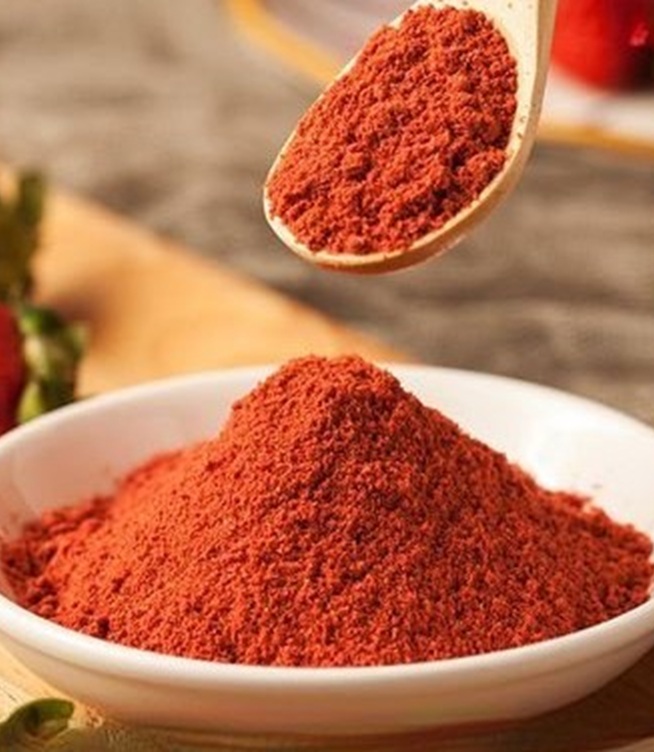
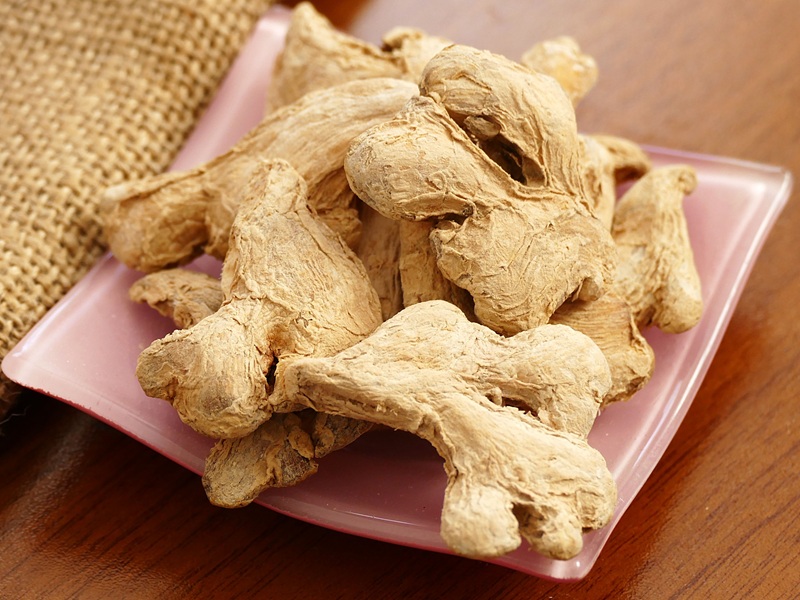
Dried ginger, on the other hand, is what you get when the fresh root is dehydrated—either sliced and sun dried or more commonly dried using modern hot air techniques. During this process, the water evaporates, but the essential oils and active compounds like gingerol become more concentrated. The result is a spicier, warmer, and sometimes slightly bitter flavor. Dried ginger is less citrusy and aromatic than fresh, but it's far more potent and shelf-stable. That makes it ideal for baking, spice blends, and long-shelf-life foods.
The General Rule for Converting Ginger
So how do you convert between the two? A typical rule of thumb in the culinary world is that one tablespoon of freshly grated ginger is roughly equivalent to a quarter to half a teaspoon of ground dried ginger. That may sound like a big difference, but once you account for the loss of water and the increase in concentration, it starts to make sense. Dried ginger packs a punch, and using too much can quickly overwhelm a dish.
In weight terms, about 15 grams of fresh ginger is equal to 1 to 2 grams of dried ginger powder. If you're using dried ginger slices instead of powder, the conversion is slightly different due to the lower surface area and slower release of flavor. In that case, a few small pieces (roughly a gram) can provide the same intensity as a tablespoon of fresh.
Of course, no conversion is exact. Recipes vary, and so do individual taste preferences. The best approach is to start on the lower end of the scale and adjust to taste, especially if you're unfamiliar with the potency of your dried ginger.
Cooking vs. Product Development: The Stakes Are Different
For the average home cook, swapping fresh for dried ginger is often a matter of convenience. The dish may taste a bit different, but as long as the balance feels right, there’s room to experiment. For food manufacturers or R&D professionals, though, precision is key. When formulating spice blends, marinades, or ready-to-cook meals, the moisture content, flavor intensity, and solubility of ginger must all be taken into account.
Dried ginger offers clear advantages in food production. It’s easier to store, has a longer shelf life, and is more consistent in quality and potency. Fresh ginger, while flavorful, is perishable and variable in size, strength, and fiber content. That’s why many large scale food developers rely on dried ginger flakes, granules, or powder when developing standardized products. It offers flavor consistency and easy integration into dry blends or seasonings.
Does the Swap Change the Dish?
Yes, and that’s something every cook or developer should consider. Swapping dried ginger for fresh (or vice versa) doesn’t just affect intensity; it can subtly change the flavor profile altogether. Fresh ginger gives dishes a clean, zesty sharpness, while dried ginger leans into deeper, warmer spice notes. That’s why dried ginger is so commonly used in baked goods like gingerbread and spiced cookies—it brings the heat without the juice.
In savory dishes, however, fresh ginger often wins. A curry, soup, or stir-fry that calls for grated fresh ginger will lose a bit of its brightness if you substitute dried powder. That’s not to say it won’t still taste good—it just won’t be quite the same. If you must make the substitution, consider adding a splash of lemon or vinegar to restore some of that fresh zing.
The Bottom Line
Whether you’re trying to rescue dinner or perfect your next spice mix, knowing how to work with ginger in both forms gives you flexibility and control over flavor, cost, and shelf life. And if you're in the business of sourcing high quality dried ginger for industrial or wholesale use, make sure you’re working with a supplier who understands the nuances of ginger processing and grading. From root to powder, not all ginger is created equal.