
How to Tell If Mushrooms Are Bad: A Complete Guide
Dried mushrooms are valued around the world for their long shelf life, concentrated flavor, and ability to transform ordinary dishes into something extraordinary. But like any food product, they are not immune to spoilage. Understanding why dried mushrooms can go bad and how to recognize the warning signs is essential for both home cooks and food industry professionals who rely on them in bulk supply.
Why Do Dried Mushrooms Go Bad?
The process of drying mushrooms removes most of their moisture, which significantly reduces the activity of microorganisms such as mold and bacteria. Once mushrooms are exposed to humidity, their water activity rises, creating conditions for microbial growth. When this happens, molds can appear quickly, leading to visible spots, unpleasant odors, and eventual decay.
Oxidation is another issue. Although mushrooms are low in fat, they still contain small amounts of oils that can react with oxygen over time. When exposed to air, heat, or light, these oils break down, producing compounds with harsh, rancid odors. Even without visible spoilage, oxidation can affect the aroma and taste, reducing product quality.
Mushrooms can also undergo natural browning reactions, both enzymatic and non-enzymatic, which darken their color over time. While this does not always mean the mushrooms are unsafe, it signals a loss of freshness and flavor. Finally, pest infestation poses a risk during storage. Insects may lay eggs in improperly sealed containers, leading to visible damage and contamination.
How to Recognize Spoiled Dried Mushrooms
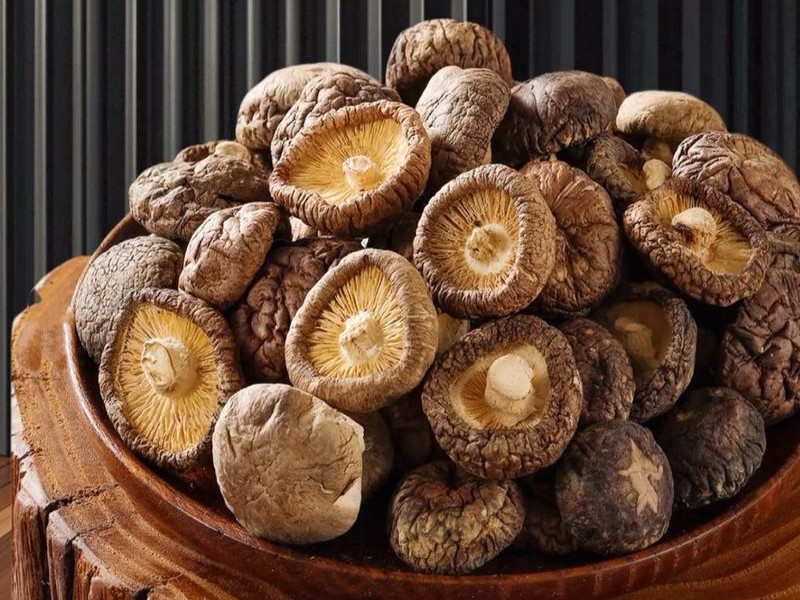
1. Look. Properly dried mushrooms should display the natural hues of their variety, whether the warm brown of shiitake or the pale golden tone of silver ear fungus. If they show unusual darkening, blackened patches, or visible mold growth in shades of white, green, or red, it is a sign they are no longer safe. Mushrooms that clump together or show insect holes also indicate improper storage.
2. Touch. Good dried mushrooms feel dry, while spoiled ones often seem damp, sticky, or soft. Once moisture has been reabsorbed, microorganisms can multiply quickly, accelerating spoilage.
3. Smell. Good dried mushrooms have a concentrated, earthy aroma specific to their variety. When they go bad, this scent fades or transforms into something sour, musty, or rancid. Even if the mushrooms do not look spoiled, a strong off-odor should not be ignored.
4. If uncertainty remains, soaking a small sample can provide the final test. Quality dried mushrooms regain their natural plumpness and fragrance when rehydrated. Spoiled ones, however, may cloud the soaking water, emit unpleasant smells, or collapse into mushy fragments.
Special Considerations for Different Varieties
1. Dried shiitake mushrooms, for example, are prized for their rich fragrance, so any sour or fermented smell indicates they are no longer usable.
2. Dried porcini, with their thick flesh, may look fine on the outside but harbor mold inside if drying was incomplete.
3. Dried wood ear and silver ear need particular caution: once they become slimy or sticky, they may harbor harmful toxins and must be discarded immediately.
4. Rare varieties such as dried morels or matsutake: even subtle changes in aroma or color can greatly diminish their value.
Storage Tips for Longer Shelf Life
The safest approach is to discard any mushroom showing visible mold or a suspicious odor. Attempting to cut away the affected parts is not reliable, as mold can penetrate deeper than the eye can see, and toxins can spread throughout the product.
To prevent spoilage, dried mushrooms should always be stored in airtight containers that protect them from moisture and air. Keeping them in a cool, dry, and dark place away from stoves or heat sources will significantly slow down deterioration. For higher-value mushrooms or for long-term storage, refrigeration or freezing in sealed packaging can extend their shelf life considerably. Adding food-safe desiccant packets to containers can also help maintain the right environment.
ShunDi’s Commitment to Quality Dried Mushrooms
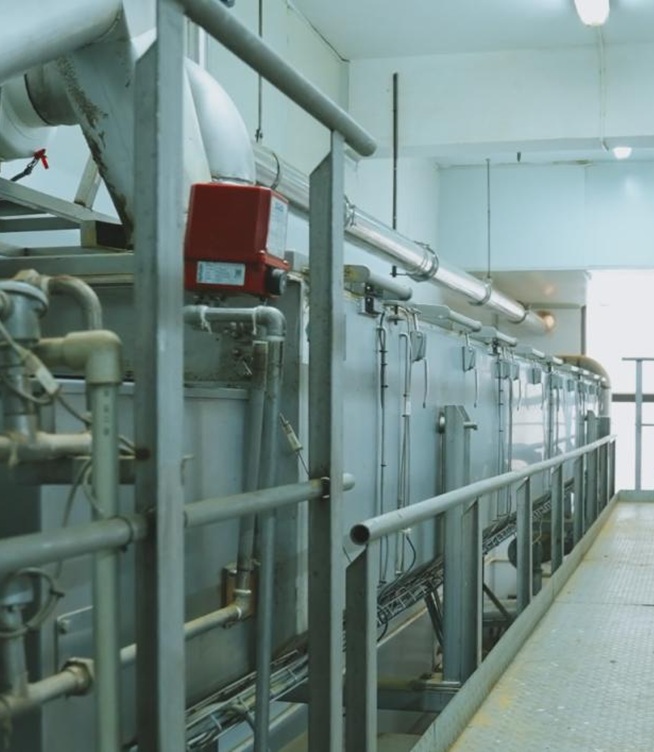
For food manufacturers, wholesalers, and brand partners, consistent quality and safety are critical. We produce premium dried mushrooms using advanced dehydration and sterilization processes that help maximize shelf life while preserving natural aroma, flavor, and nutrients. Choosing ShunDi dried mushrooms means securing a stable, reliable ingredient supply that supports both safety and flavor in global food production.