

How to Use Dried Mushrooms
Dried mushrooms offer a concentrated source of flavor that is easy to store, lightweight to transport, and suitable for both home cooking and industrial use. In today’s global food supply chain, dried mushrooms are an essential ingredient, valued not only for their taste but also for their flexibility and efficiency.
Types of Dried Mushrooms
There is no single category of dried mushrooms, as their diversity reflects the broad spectrum of mushroom species consumed worldwide. Shiitake mushrooms are among the most popular dried varieties, particularly in Asian cuisines. When dried, shiitakes develop an intensified smoky, meaty flavor that enhances broths, stir-fries, and hotpots. Porcini mushrooms, native to Europe, are another highly prized variety. Their drying process magnifies their earthy and nutty flavor, making them a favorite addition to risottos, pasta sauces, and stews.
Morels, with their unique honeycomb-like appearance, are considered a gourmet mushroom. Drying them concentrates their deep, almost meaty taste, which chefs value in French and fine dining dishes. Black fungus, or wood ear mushrooms, common in Chinese cuisine, bring a distinctive crunchy texture even after drying and rehydration, making them a staple in stir-fried dishes and salads. In addition to these well-known varieties, dried button mushrooms, enoki, and maitake also serve important roles in global cooking.
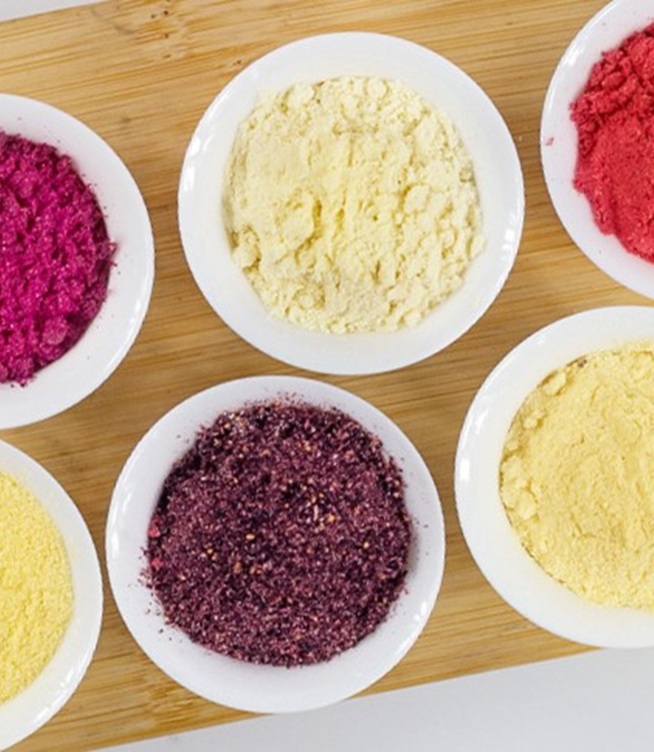
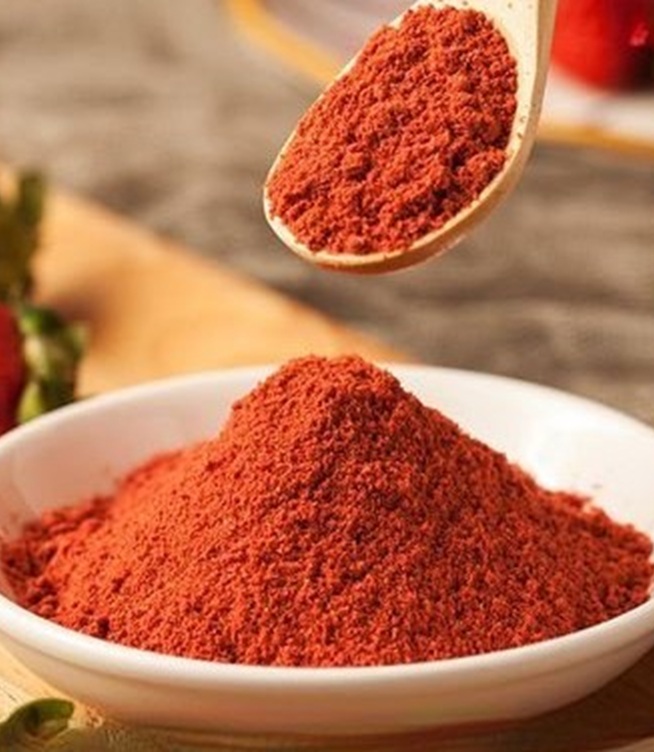
Beyond mushroom types, dried mushrooms are available in different forms. Whole mushrooms and slices are popular for dishes where appearance matters, while mushroom granules and powders are widely used for seasoning and blending. Mushroom extract powders are especially valued in the food industry as natural flavor enhancers, allowing manufacturers to achieve savory depth without relying on artificial additives.
Drying Methods for Mushrooms
Traditional air drying remains a widely used method. Fresh mushrooms are cleaned, trimmed, and sliced before being placed in drying chambers where warm air circulates. This removes moisture gradually, intensifying the mushroom’s natural aroma. Air dried mushrooms often develop a darker color and deeper flavor.
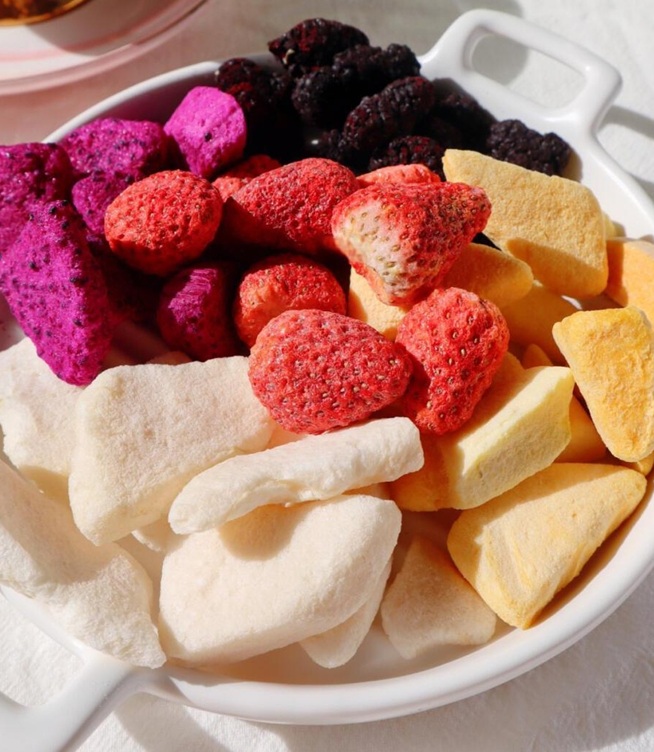
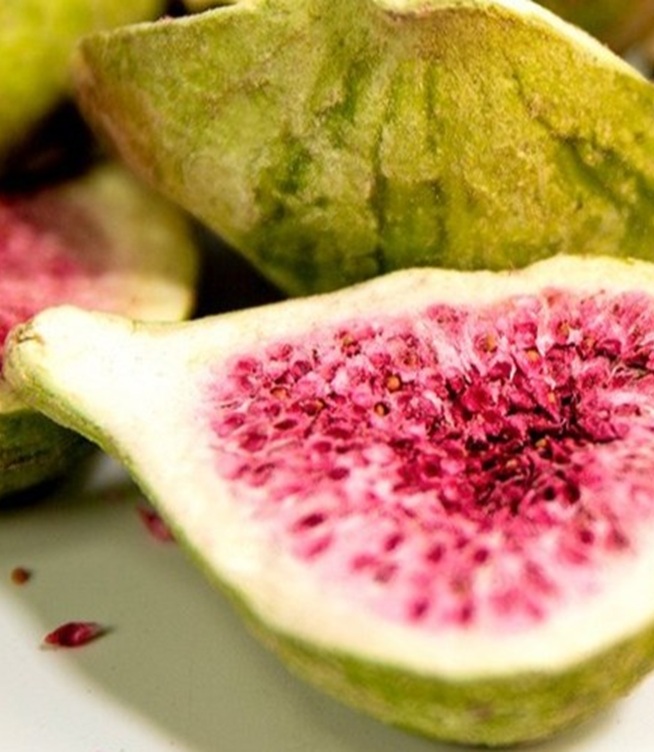
Freeze drying is a more advanced technique. Mushrooms are first frozen, then placed in a vacuum where the ice crystals inside turn directly into vapor through sublimation. This process avoids high heat, preserving the mushroom’s original color, structure, and nutritional profile. The final product is crisp, light, and rehydrates quickly to a near-fresh state.
In some regions, sun drying is still practiced, particularly for shiitake and wood ear mushrooms. Although it is a cost effective and natural approach, it requires careful handling to ensure food safety and consistency.
How to Use Dried Mushrooms at Home
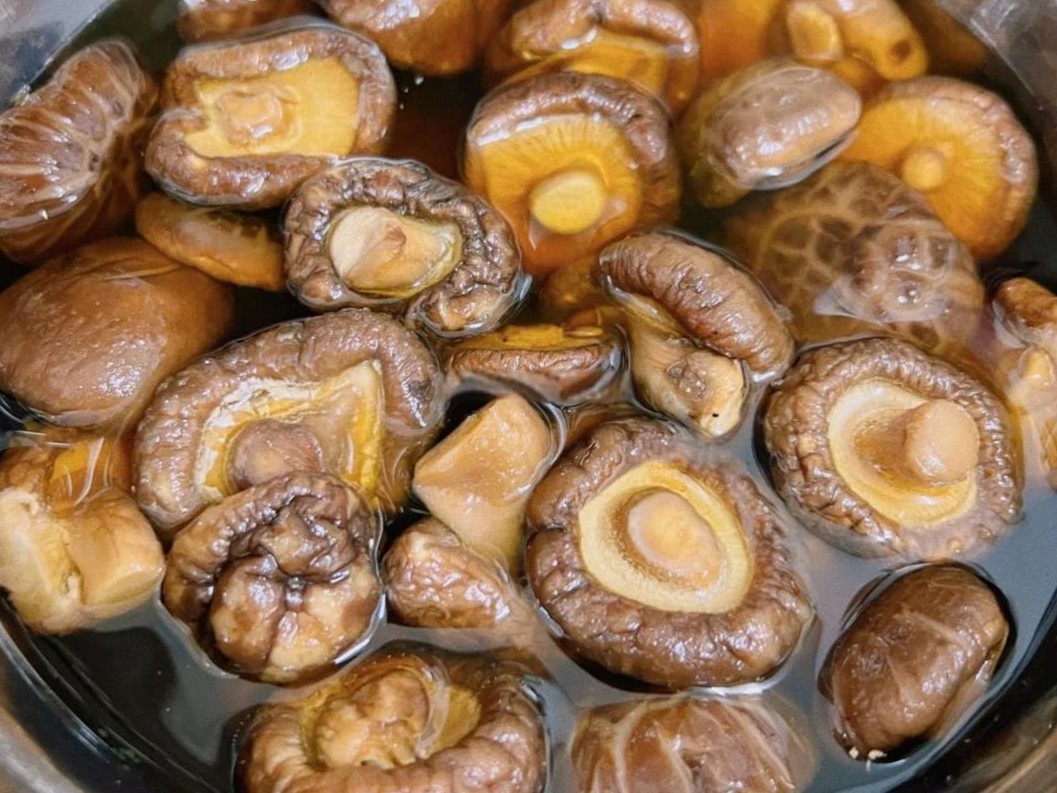
For home cooks, the most common way to use them is through rehydration. By soaking dried mushrooms in warm or hot water for 20–30 minutes, they regain much of their original texture. The soaking water, often called mushroom stock, is rich in flavor and can be strained and added to soups, risottos, or sauces as a natural broth.
Industrial Applications of Dried Mushrooms
In the food industry, dried mushrooms are indispensable across multiple categories. Instant noodle manufacturers, for example, rely on dried mushroom slices and powders to provide flavor and texture in seasoning packets.
For snack manufacturers, mushroom powders can be blended into seasonings for chips, popcorn, and crackers. The meat processing industry also makes extensive use of dried mushrooms. Granules and powders are incorporated into sausages, patties, and meatballs, enhancing flavor and juiciness while allowing producers to reduce sodium and artificial additives. Mushroom extracts are widely used in vegetarian burgers, soups, and sauces to achieve rich umami without animal ingredients.
Freeze dried mushrooms are particularly important for premium food applications. Their ability to retain appearance and flavor makes them suitable for ready-to-cook gourmet meals, frozen pizzas, and health-oriented products.
Advantages of Dried Mushrooms
The popularity of dried mushrooms comes from a combination of practical and culinary advantages. Their extended shelf life reduces spoilage and ensures a steady supply, an essential benefit for large scale manufacturers. Since water is removed, dried mushrooms are lightweight and compact, making them easier and cheaper to transport globally.
Nutritionally, dried mushrooms retain most of the vitamins, minerals, and antioxidants found in fresh mushrooms, and in some cases, their nutrient density is even higher due to water removal. They are a natural source of dietary fiber, protein, and compounds that support immune health, making them attractive in the growing market for functional foods.
Culinary versatility is another strength. Dried mushrooms intensify flavor, adding depth even in small amounts, and their various formats allow them to be adapted to different needs.
ShunDi’s Dried Mushrooms
ShunDi’s dried mushroom portfolio includes champignon, shiitake, oyster, black fungus, and other varieties in formats ranging from whole caps and slices to powders. By managing our own farm bases under GAP standards, we ensure consistent quality and full traceability from field to finished product. Our professional R&D team also supports customized solutions, helping clients develop unique products tailored to their markets. With customers in over 40 countries, including leading multinational food manufacturers, ShunDi has become a trusted partner in the supply of dried mushrooms.