


How White Button Mushrooms Grow: Inside Shundi's Three Stage Composting Process
In mushroom cultivation, the concept of substrate is absolutely essential. It serves as the foundation on which mushroom mycelium grows, functioning much like soil for plants—yet it is not ordinary soil. Instead, it is a carefully formulated and fermented organic medium created through scientific processes.
All mushrooms rely on their substrate to absorb carbon, nitrogen, minerals, and other nutrients. Different mushroom species have very specific requirements for the substrate they grow on. Shiitake and wood ear mushrooms, for example, are wood-decaying fungi and thrive on sawdust or logs. Oyster mushrooms prefer grass-based substrates rich in cellulose. Button mushrooms, however, are typical humus-loving fungi, growing best in compost-based substrates rich in decomposed organic matter.
The substrate used for button mushrooms is generally composed of primary materials and supplementary materials. The primary materials form the main body of the substrate and provide the carbon source. Wheat straw, rice straw, corncobs, and cottonseed hulls are commonly used. These materials contain cellulose and hemicellulose that gradually break down during fermentation into sugars that the mycelium can absorb.
Supplementary materials help enrich and adjust the nutrient profile of the substrate. They usually include nitrogen sources, inorganic minerals, and pH-adjusting agents. Nitrogen sources such as chicken manure, cow manure, or pig manure are crucial because they provide the proteins and amino acids that support vigorous mycelial growth. The organic nitrogen in these materials is converted during fermentation into ammonium nitrogen, which can be easily absorbed by the mushroom mycelium, helping it grow faster and produce mushrooms more efficiently.
In addition to nitrogen sources, mineral conditioners such as gypsum and lime are added to balance the pH, improve aeration, prevent the substrate from becoming too acidic or alkaline during fermentation, and keep the mixture from clumping.
|
Category |
Common Materials |
Main Function |
|
Carbon Source Materials |
Wheat straw, rice straw, corncob |
Provide carbohydrates as the primary energy source for mycelial growth |
|
Nitrogen Source Materials |
Chicken manure, cow manure, pig manure, soybean meal, cottonseed hulls |
Supply proteins and nitrogen to promote vigorous mycelial development |
|
Conditioning Agents |
Gypsum (CaSO₄), lime (CaCO₃) |
Adjust pH, improve aeration, and prevent compaction of the substrate |
|
Nutritional Supplements (Optional) |
Wheat bran, cornmeal, soybean meal |
Enhance overall nutrient balance and improve mushroom yield |
However, simply mixing these raw materials together is not enough. For button mushrooms, the substrate must undergo a strict composting process, during which microorganisms break down complex organic matter at high temperatures. This not only converts the materials into nutrients that mushrooms can absorb but also eliminates pests and harmful microbes.
At ShunDi, button mushroom substrates are produced through a standardized, scientific three-stage composting process:
The first stage: Mixing straw with chicken manure and gypsum. As fermentation begins, the material undergoes saccharification, and the originally golden straw gradually turns deep brown or even blackish brown, indicating partial decomposition of the organic matter.
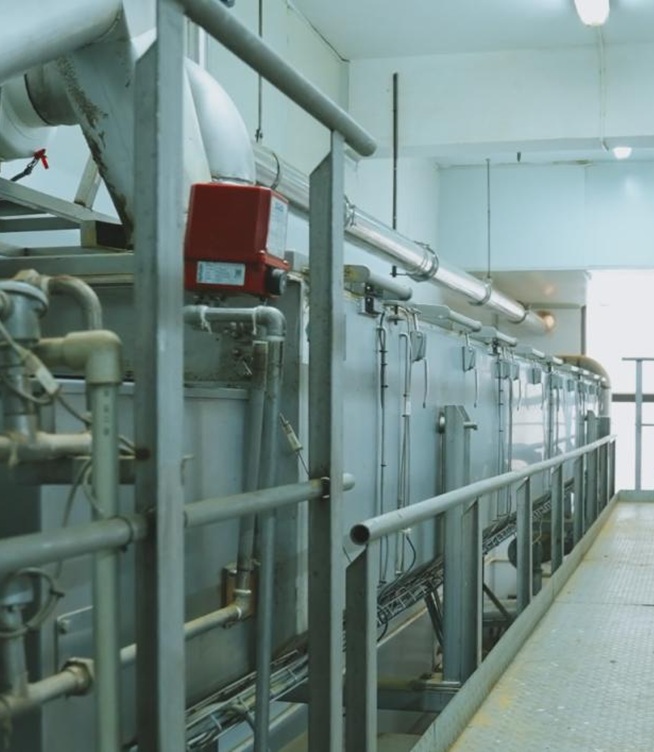
The second stage: Focuses on pasteurization to eliminate harmful microorganisms and optimize the microbial community. This stage is completed inside a fermentation tunnel, where the substrate moves through controlled phases of temperature equalization, heating, pasteurization, cooling, and stabilized temperature management.
The third stage: Inoculating the substrate with mushroom spawn inside the tunnel, allowing the initial mycelial growth to take place directly within this controlled environment. This eliminates the need for seeding inside a growing house, significantly improving hygiene and overall production efficiency. By the end of this stage, the substrate is fully colonized by a dense network of white mycelium.
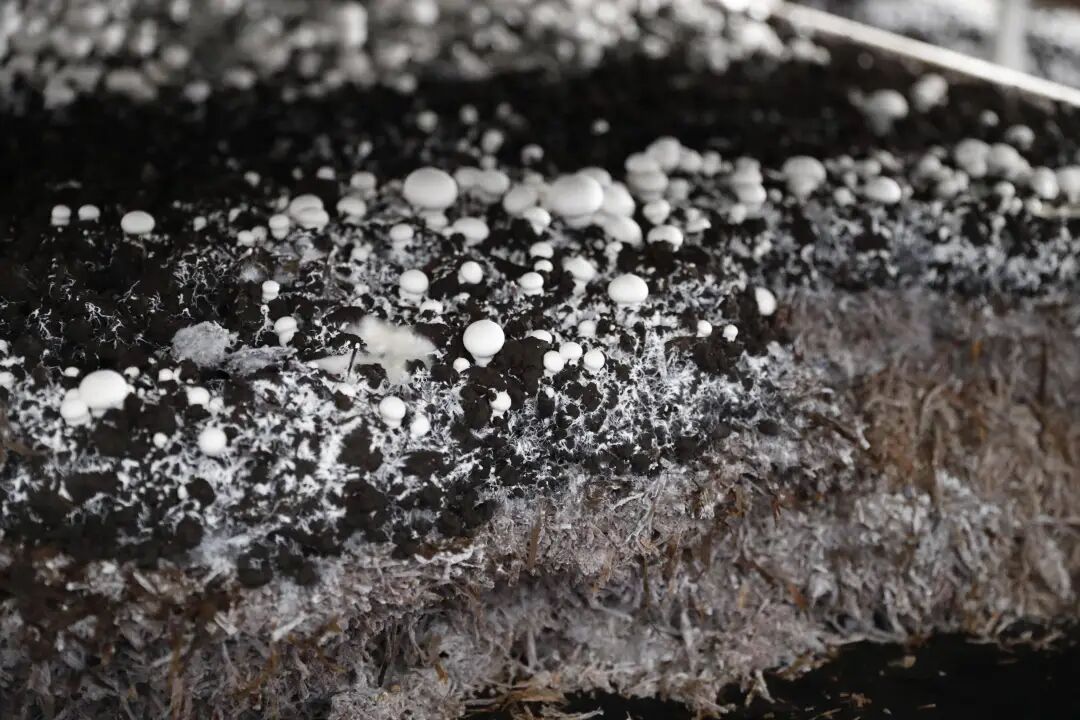
Once composting is complete, the substrate enters ShunDi’s intelligent growing rooms. Tiny white pinheads begin to appear on the surface and gradually enlarge, eventually developing into the clean, plump button mushrooms we recognize—all without the use of chemical growth stimulants or regulators. After harvesting, the mushrooms are immediately transported to ShunDi’s processing facilities for cleaning, slicing, and further processing into air dried or freeze dried products.
Read more about ShunDi's intelligent mushroom base: https://site_d20d6569-57a9-445f-87a6-9613464401ec/news/how-shundi-grows-premium-mushrooms-year-round-with-innovation-and/
In essence, mushroom substrates represent a perfect integration of natural ecological processes and modern agricultural technology. They are the foundation that allows button mushrooms to grow clean, healthy, and full of life. From substrate fermentation to final drying and processing, ShunDi maintains strict control over every step of the production chain. This comprehensive oversight is what ensures that our dried button mushroom products remain natural, safe, and consistently high in quality for our global partners.