

Is a Food Dehydrator the Same as a Freeze Dryer?
In the world of food processing, terms like “dehydration,” “freeze-drying,” and “drying” often get tossed around. And when it comes to choosing the right equipment, many people assume a food dehydrator and a freeze dryer are basically the same thing. But are they really? Let’s break it down in simple terms.
What's the Difference Between Dehydration and Freeze-Drying?
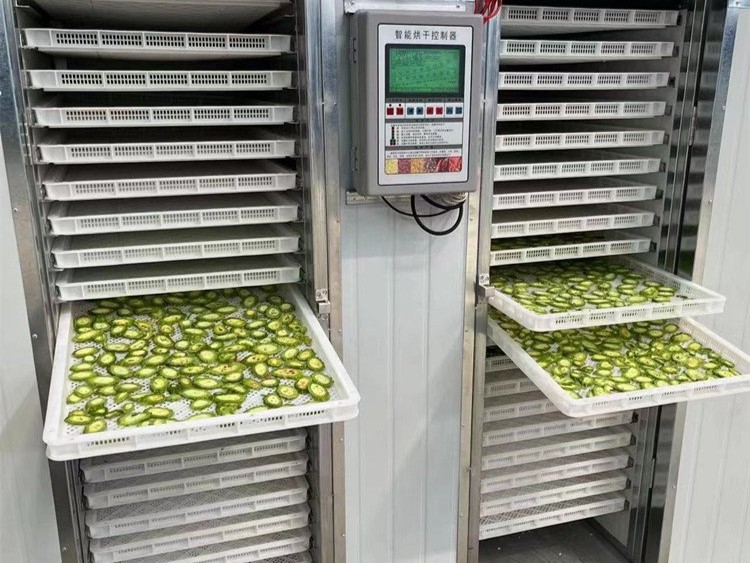
It all starts with how they work. A food dehydrator—sometimes called a hot air dryer—removes moisture from food by blowing heated air over it. This causes the water in the food to evaporate. For example, if you place slices of fruit or vegetables into a dehydrator, warm air circulates and gradually dries them out. This process is also known as hot air drying.
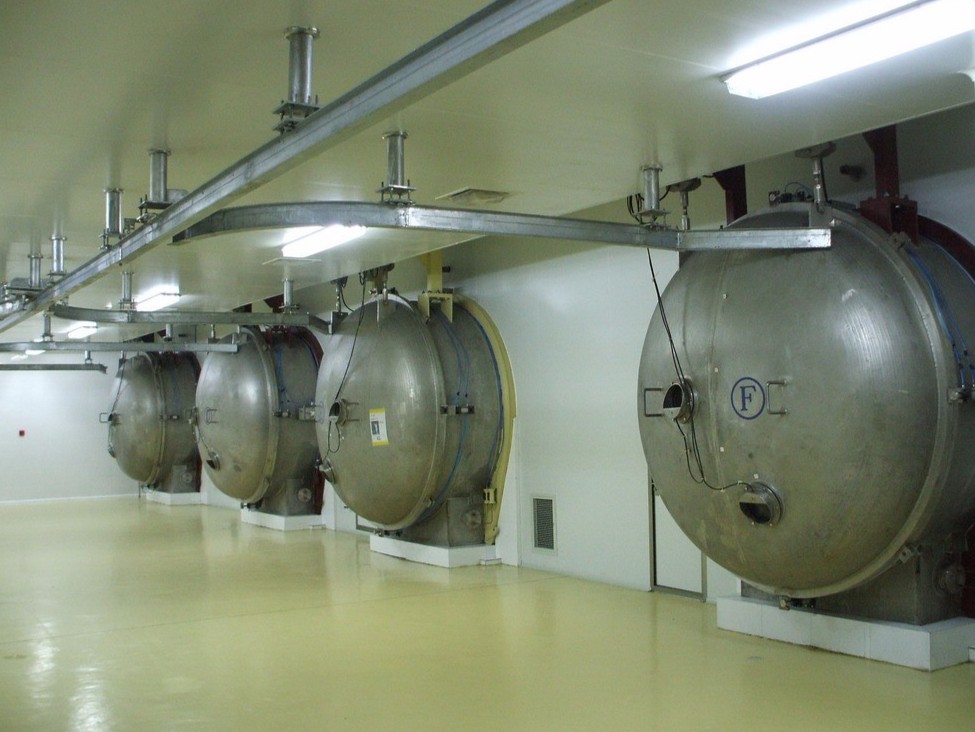
A freeze dryer, on the other hand, works completely differently. It first freezes the food solid. Then, under a low pressure vacuum, it removes the water through sublimation—a process where ice turns directly into vapor without melting into liquid first. Sounds high-tech? That’s because it is!
They May Look Similar, But They’re Not the Same
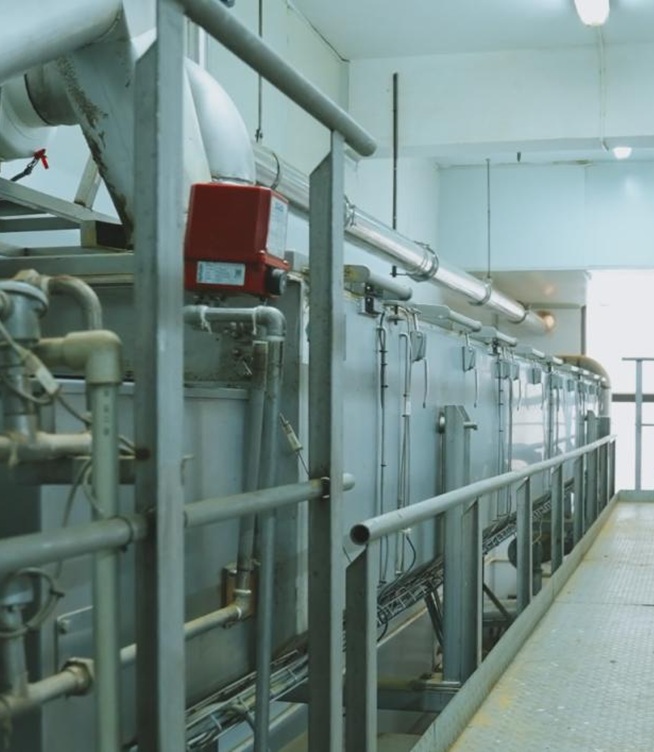
At first glance, dehydrators and freeze dryers can look alike—both are usually large, stainless steel machines with trays, control panels, and fans. But this is like saying a rice cooker is the same as a pressure cooker. They may look similar, but the way they work—and the results they produce—are very different.
Dehydrators typically operate at 50°C to 80°C (122°F to 176°F) using heated air. Freeze dryers operate at extremely low temperatures—as cold as -30°C to -50°C (-22°F to -58°F)—and require a vacuum environment to work. One uses heat; the other uses cold and vacuum. The difference is huge.
Very Different Results
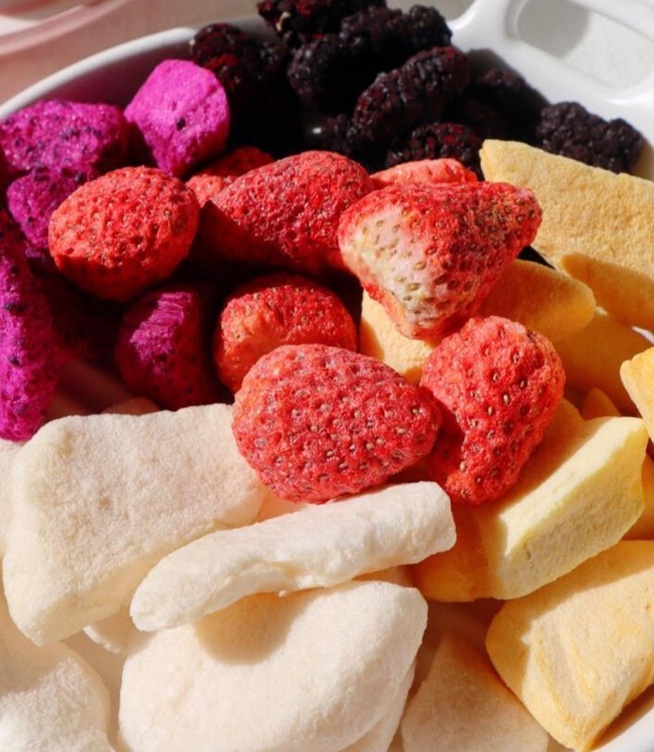
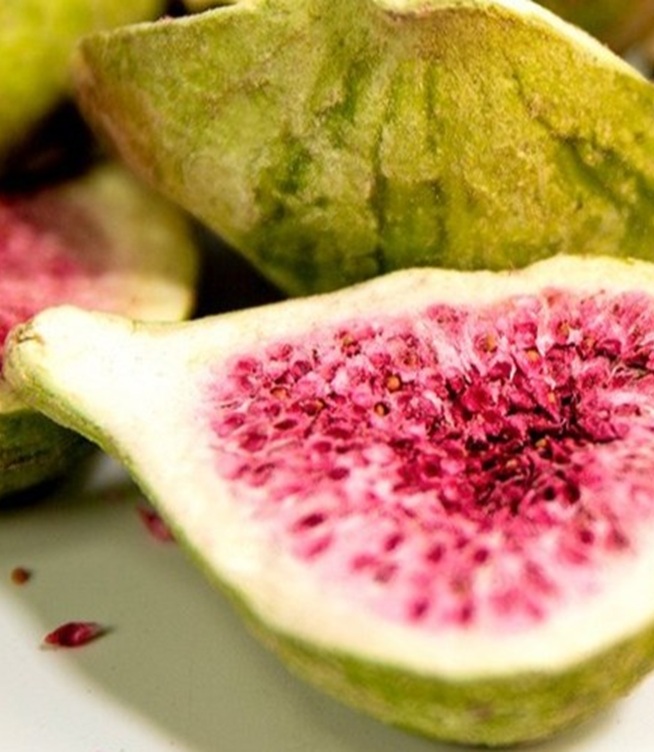
Ever tried those crispy, airy freeze dried strawberries that melt in your mouth? That’s the magic of freeze-drying. The food keeps its original shape, color, and most of its nutrients. It’s light, crunchy, and rehydrates quickly.
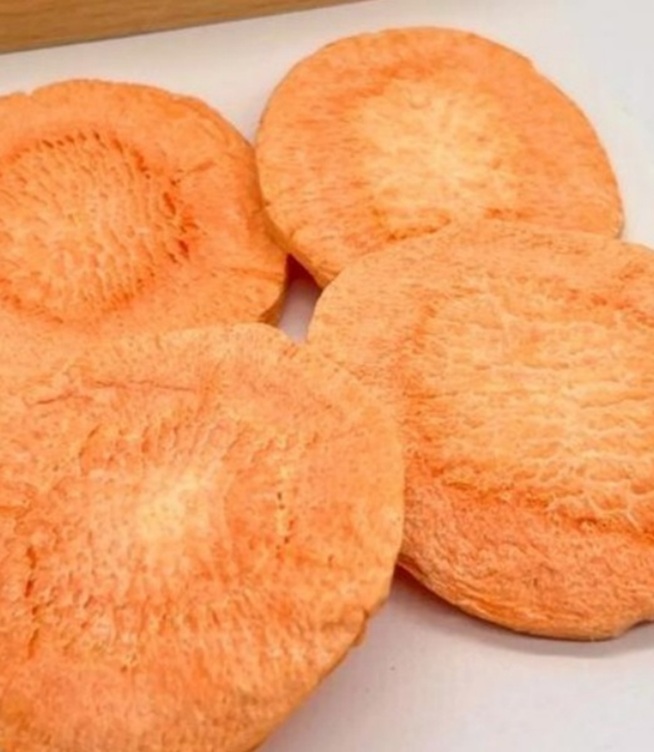
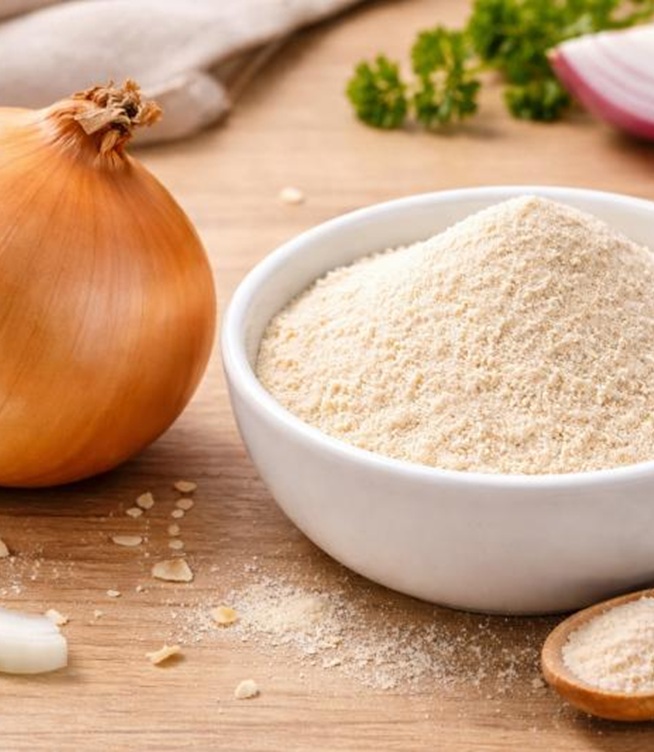
In contrast, foods dried using a dehydrator are often tougher and darker in color. Think of dried carrot slices or dehydrated onions in instant noodles—smaller, chewy, and not as vibrant.
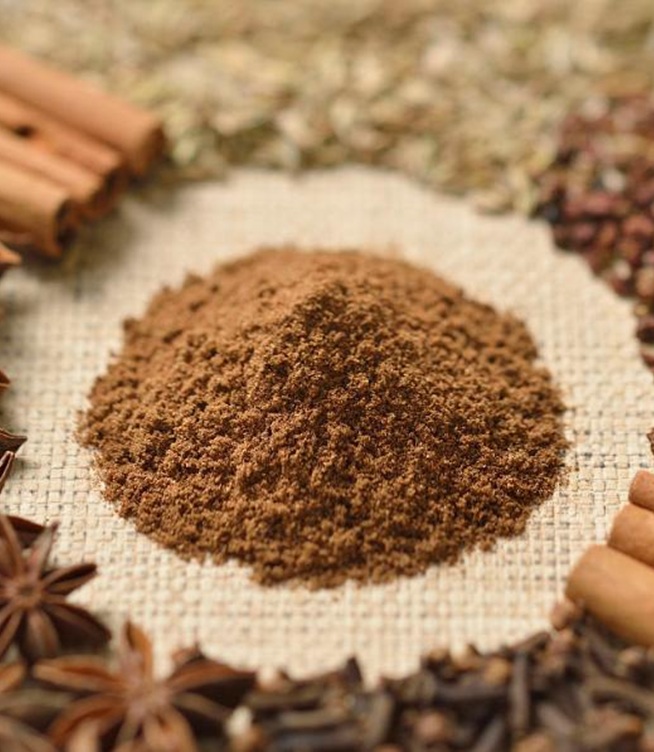
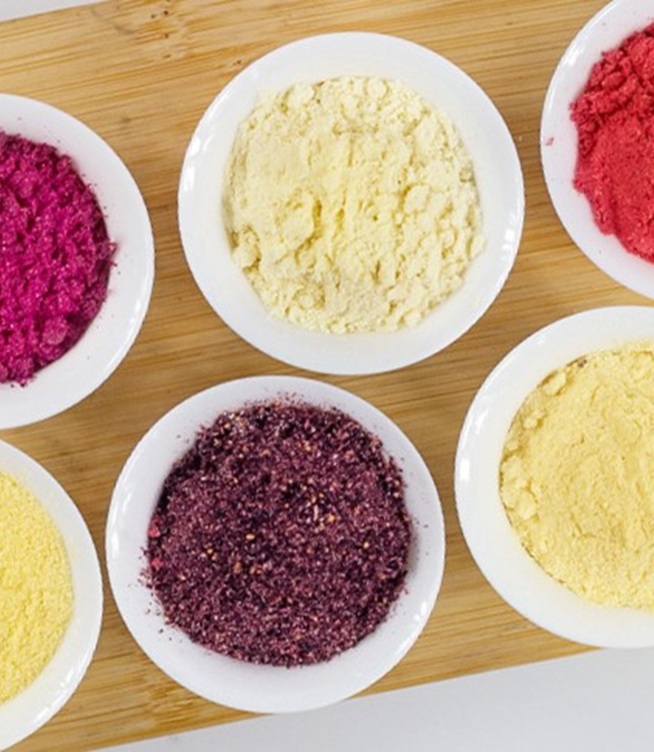
So, if you want to preserve the food’s appearance, nutrients, texture, and rehydration ability, freeze-drying is the better choice. But if you’re just looking to preserve food for basic use—like making seasoning blends or soup bases—dehydration works just fine.
What About the Cost?
A mid sized food dehydrator may cost a few thousand dollars, but a freeze dryer with similar capacity could cost 10 to 30 times more. Why? Because freeze dryers need advanced refrigeration, vacuum, and control systems. They also consume more energy and require more complex operation.
That’s why dehydrators are widely used for agricultural products, dried vegetables, and spices, while freeze dryers are common in high-end foods, pet treats, instant fruits and soups, and even pharmaceuticals.
Final Thoughts: Know the Difference Before You Buy
To sum it up, a food dehydrator is not a freeze dryer. Yes, they both dry food, but their methods, costs, applications, and final results are completely different. So, before choosing a machine, think about your goals. If you’re making simple dried veggies or seasonings, a dehydrator may be all you need. But if you’re creating premium freeze dried fruits, coffee, or instant meals, a freeze dryer is worth the investment. Hopefully, this article cleared up the confusion and gave you a better idea of what each machine can do!