

Is Chipotle a Dried Jalapeño?
Chipotle peppers often appear in ingredient lists, hot sauces, marinades, barbecue rubs, and Mexican dishes around the world. They add a deep, smoky flavor that feels instantly recognizable, even when used sparingly. Is chipotle just a dried jalapeño? Or is there something more behind this famous pepper?
The short answer is yes: chipotle is a form of dried jalapeño. But the full answer is much richer, rooted in agricultural tradition, culinary history, and a unique preservation technique that transforms a fresh green chili into a smoky, complex ingredient used across global cuisines. Chipotle is more than a dried pepper. It is a jalapeño that has been allowed to ripen fully to a deep red, then slowly smoked and dried over several days, undergoing a transformation in flavor and texture that makes it completely distinct from other dried chilies.
The jalapeño pepper is harvested at different stages of maturity. Most people are familiar with the green jalapeños seen in supermarkets, but these peppers continue ripening on the plant until they turn red. At their red stage, they develop greater sweetness, more complexity, and slightly higher heat. Farmers often face challenges when growing red jalapeños, because they stay longer on the plant and are more vulnerable to spoilage. To preserve this ripened stage, indigenous communities in Mexico developed a smoke-drying method that eventually gave the world the chipotle.
From Fresh Jalapeño to Chipotle
Chipotle production begins only after the jalapeño reaches full ripeness. The pepper must be red, not green, because the flavor development during ripening is essential for creating the signature taste of chipotle. Once harvested, the ripe jalapeños are not dehydrated through sun drying or standard drying equipment, as other chiles might be. Instead, they are placed into smokehouses or traditional pits and exposed to low, slow burning wood smoke.
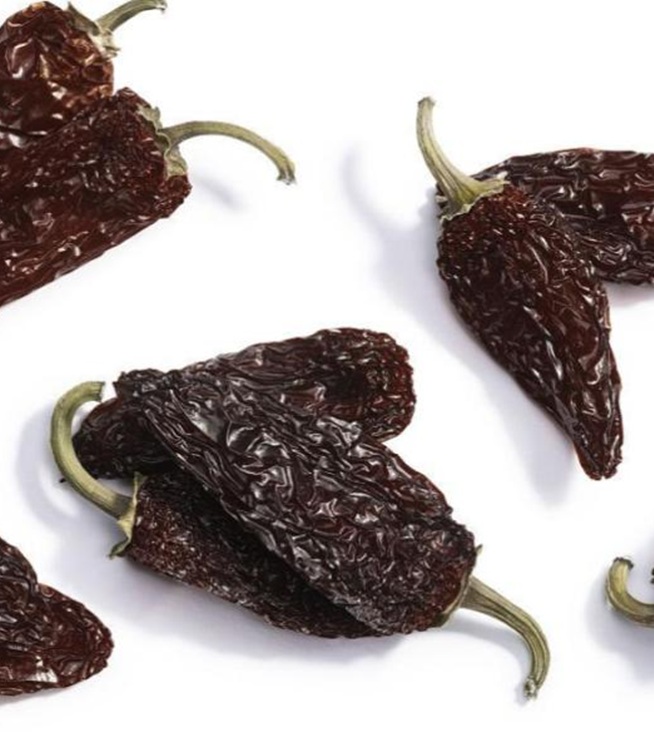
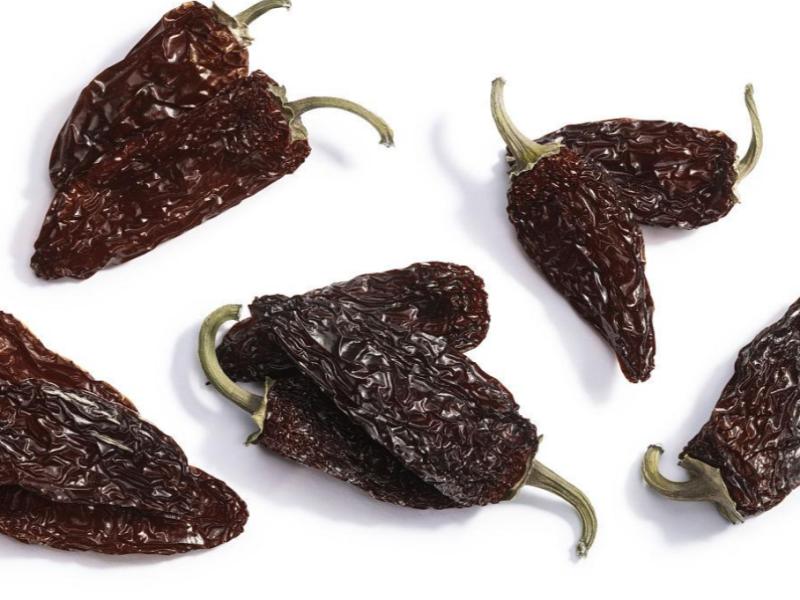
This smoking process usually takes several days. During this time, moisture gradually evaporates while smoke permeates the skin and flesh of the pepper. The color darkens from bright red to a deep brownish tone. The texture becomes wrinkled and leathery. Most importantly, the flavor transforms into something layered and powerful. The natural heat of the jalapeño becomes more concentrated, balancing with a smoky depth that gives chipotle its signature character.
This method of preservation was historically essential for communities with limited access to refrigeration. Today, the same method continues because the flavor created through smoke drying simply cannot be replicated by oven drying or air drying. Chipotle is a product of smoke as much as it is a product of chili.
Two Major Types of Chipotle
Although all chipotle begins as a ripe jalapeño, not all chipotle looks or tastes exactly the same. Two dominant styles exist, each with its own culinary uses.
Chipotle Morita is the type most commonly exported and used in processed foods, chipotle powders, chili pastes, hot sauces, and seasonings. Morita peppers are smaller and softer with a deep reddish purple color. They tend to be fruitier and slightly sweeter, with a medium strength smoky aroma. Because they are smoked for a shorter period, they retain some of the bright flavor notes from the fresh pepper.
Chipotle Meco is more traditional in Mexico. It has a tan or greyish appearance and a stiff, woody texture. Meco chipotles are smoked for a much longer time, resulting in a stronger, more intense smoke flavor. They are prized in certain regional dishes such as barbacoa or slow-cooked stews. Outside of Mexico, Meco chipotles are less common.
What Makes Chipotle Different from Ordinary Dried Jalapeños
If chipotle is a dried jalapeño, it is fair to wonder whether all dried jalapeños qualify as chipotles. The answer is no. A jalapeño dried in a dehydrator or an oven, or air dried like other chilies, does not become chipotle. Without smoke, the most defining part of its identity is missing.
Dried jalapeños without smoking taste sharper, grassier, and more similar to other dried green chilies. They can be useful in cooking, but they lack the complex profile that smoke imparts. Chipotle, by contrast, carries layers of earthiness, wood, caramelized sweetness, and moderate heat.
Why Chipotle Continues to Gain Popularity Worldwide
Chipotle’s rise in global cuisine reflects broader trends in food culture. It is authentic to Mexican culinary heritage yet versatile enough to be used in everything from snacks to barbecue sauces, ready meals, and gourmet condiments.
In the food manufacturing industry, chipotle powder, granules, and flakes have become essential components for flavor developers. Their concentrated aroma and compatibility with both wet and dry systems make them ideal for large scale production. This global demand continues to rise, and chipotle’s identity as a smoked jalapeño ensures its place not just as a chili, but as a flavor category of its own.