



Is Garlic a Vegetable? Exploring Its Identity and Uses
When you walk into a kitchen anywhere in the world, chances are you’ll find garlic. From Mediterranean stews to Asian stir-fries, from pickles to pasta sauces, garlic is a culinary staple. Is garlic a vegetable, a spice, or something else altogether? The answer lies in how we define food categories and how garlic has been used throughout history.
Garlic in Botanical Terms: Definitely a Vegetable
Botanically speaking, garlic (Allium sativum) is a vegetable. It belongs to the same family as onions, shallots, leeks, and chives—the allium family. Alliums are bulbous plants, and garlic is essentially the underground bulb that grows at the base of the plant.
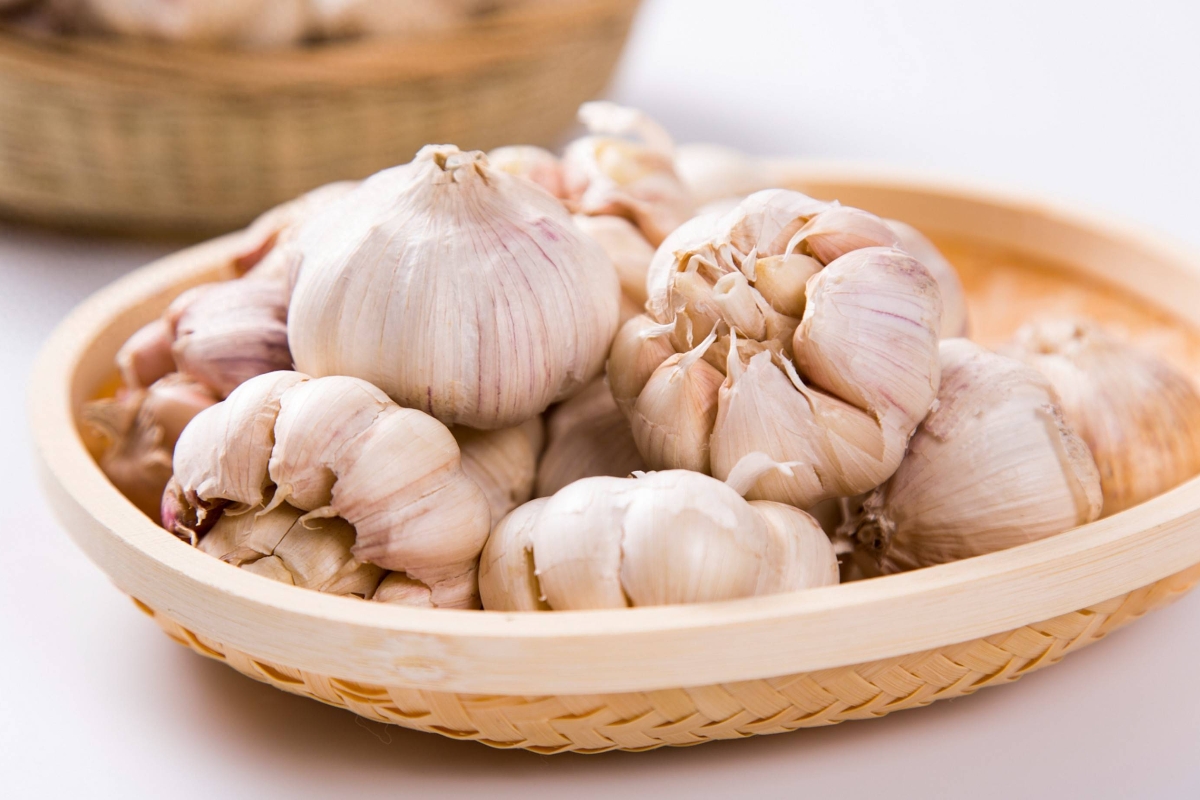
Each garlic bulb is made up of multiple smaller segments, known as cloves, covered in thin papery skin. Like other vegetables, garlic is the edible part of a plant and provides essential nutrients. In fact, garlic has been cultivated for thousands of years, with its origins traced back to Central Asia.
So from a scientific perspective, garlic is firmly in the vegetable category.
Garlic in the Kitchen: A Spice in Disguise
Even though garlic is a vegetable, most of us don’t treat it like one. Rarely will you see garlic served as the main part of a dish, like broccoli or carrots. Instead, garlic is used in small amounts to season and enhance flavors, much like a spice or herb.
Consider how garlic is used in everyday cooking. A few cloves sautéed in oil form the aromatic base of sauces, soups, and stir-fries, infusing them with depth right from the start. When crushed or minced, garlic releases an even stronger aroma, perfect for marinades, dressings, and dips. Roasted whole bulbs, on the other hand, take on a sweet, mellow flavor that can be spread on bread or blended into creamy spreads. These culinary roles make garlic feel more like a spice than a traditional vegetable.
Garlic’s Nutritional Value
Although garlic is often used in small quantities, it is surprisingly nutrient-rich. A 100g serving of raw garlic provides: Vitamin C, B6, and manganese, trace amounts of selenium, calcium, and potassium, a unique compound called allicin, which forms when garlic is chopped or crushed. Allicin has been widely studied for its potential health benefits, including antimicrobial, antioxidant, and heart-protective properties. For centuries, garlic has been used not only as food but also as a natural remedy in traditional medicine.
Fresh Garlic vs. Processed Garlic
While fresh garlic remains a kitchen favorite, modern food production and supply chains have increased the demand for processed garlic products. IQF, freeze dried, and air dried garlic offer the same flavor and aroma, with added benefits of convenience, shelf stability, and cost efficiency.
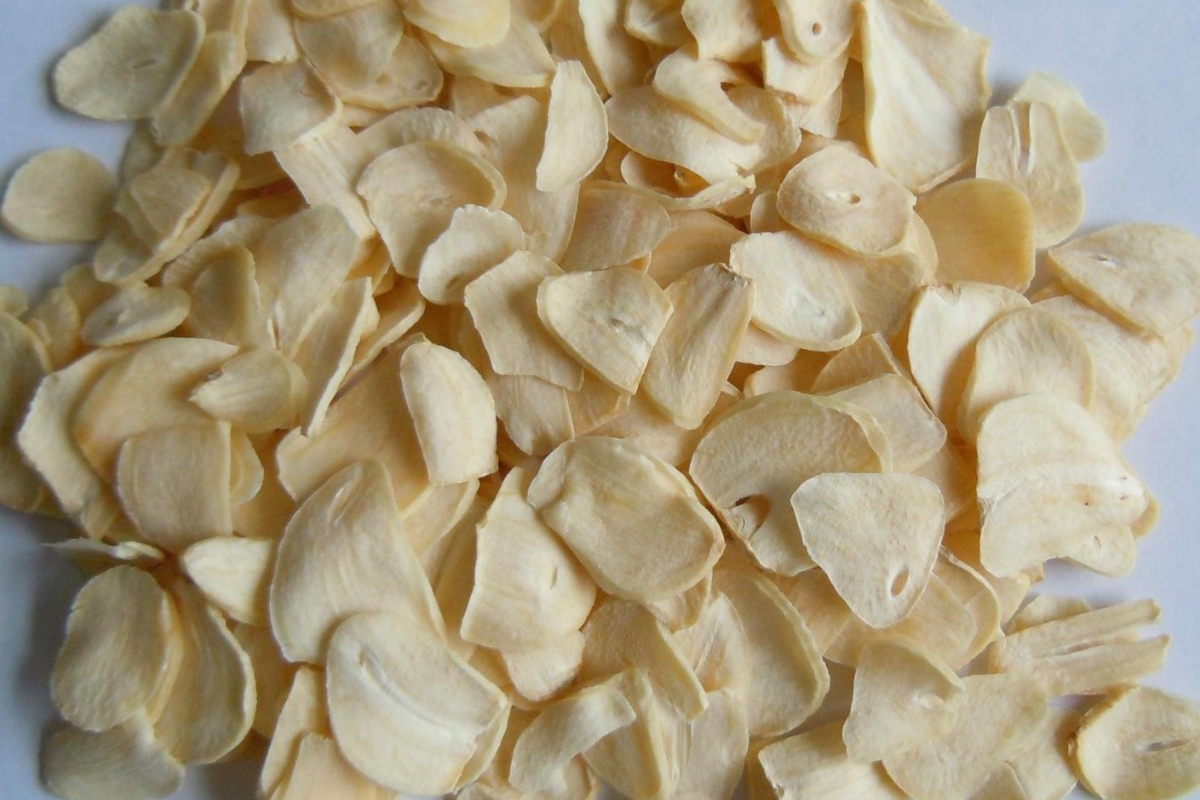
For food manufacturers and B2B buyers, dried garlic is a practical solution. It ensures a consistent supply without the risk of seasonal shortages. Its long shelf life reduces waste compared to fresh bulbs, while its ready-to-use form eliminates peeling, chopping, or other labor-intensive handling. Available in multiple formats such as granules, powder, and flakes, dried garlic adapts easily to industrial production lines. These qualities have made dried garlic one of the most widely used seasonings in the global food industry.
At ShunDi Foods, we’ve specialized in garlic processing for nearly 30 years. Our dried garlic products are produced from selected raw materials grown under GAP standards. Our dried garlic is certified by BRC, HACCP, HALAL, and KOSHER. Available in a wide range of cuts like flakes, granules, powder, our garlic ingredients are trusted by leading global food manufacturers for applications in snacks, sauces, seasonings, instant meals, and more.
Final Thoughts
So, is garlic a vegetable? The answer is yes, but its culinary role as a seasoning makes it unique. Whether you view it as a vegetable or a spice, there’s no denying garlic’s importance in kitchens and food industries around the globe.