
Is Garlic Powder Gluten Free?
Garlic powder is one of the most widely used foundational ingredients in the food industry, relied upon by manufacturers of snacks, seasonings, ready meals, sauces, marinades, plant-based products, and more. With the continued rise of clean label expectations and the sharp increase in demand for allergen controlled foods, many product developers and purchasing managers often ask the same question: Is garlic powder gluten free?
The simple answer is yes. In its purest form, garlic powder is naturally gluten free because garlic contains no wheat, barley, rye, or any gluten related grains. But while this seems straightforward, the practical reality can be more complex. Whether garlic powder is truly gluten free depends on the purity of the product, the processes used during production, and the overall quality control of the supplier.
Why Pure Garlic Powder Is Naturally Gluten Free
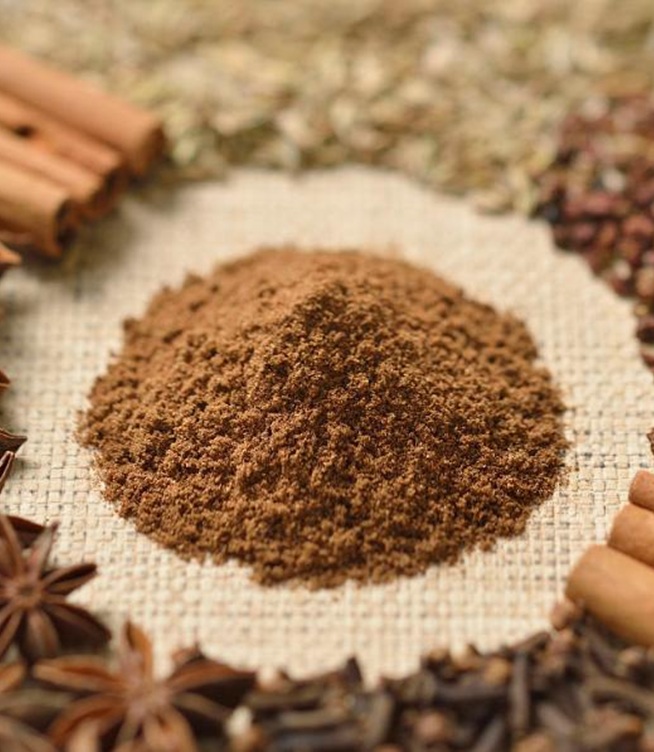
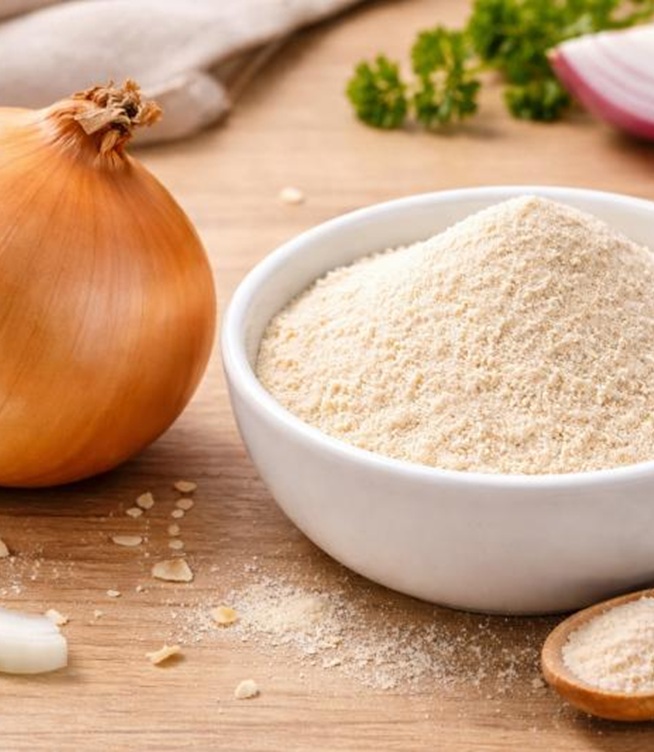
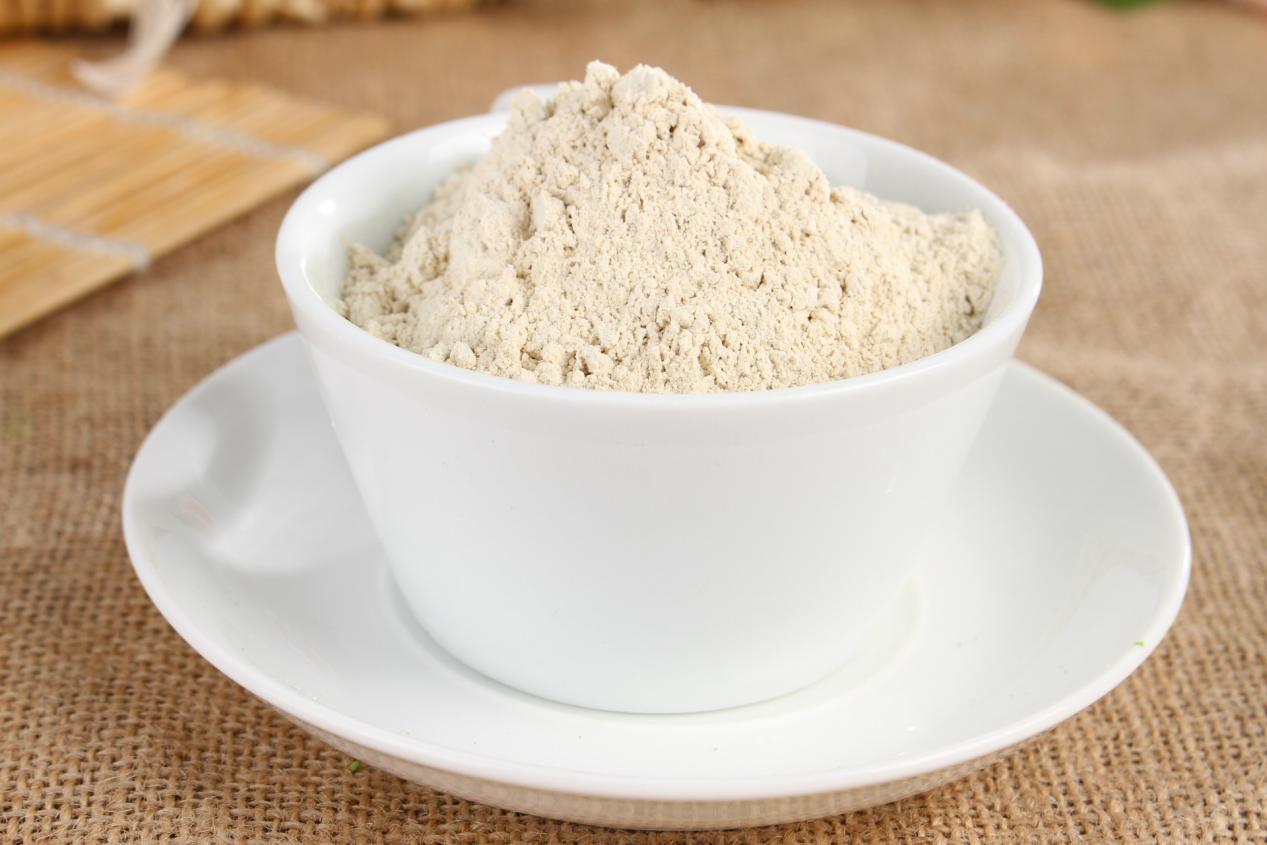
At its core, garlic powder is made from nothing more than fresh garlic. The processing steps are simple: the garlic bulbs are peeled, sliced, dehydrated, and milled into a powder. None of these stages require the addition of gluten containing ingredients, nor does garlic naturally contain gluten in any form. This means that when garlic powder is produced properly and without unnecessary additives, it remains completely gluten free.
Because of this natural purity, garlic powder is widely used in gluten free snacks, seasonings, soups, and health oriented formulations. It adds flavor, aroma, warmth, and complexity without adding allergens. As clean label product development continues to grow, garlic powder remains one of the most dependable and transparent ingredients available.
When Garlic Powder May Contain Gluten
Although garlic itself does not contain gluten, not all products labeled as “garlic powder” are guaranteed to be pure. Some manufacturers blend garlic powder with other ingredients for cost reduction, improved flowability, or flavor enhancement. These additions may compromise the product’s gluten free status.
For example, certain low cost blends include wheat flour or wheat starch as fillers. Some seasonings use barley derived stabilizers or malt powder. Even though many anti caking agents are gluten free, others are starch based, and if the origin of the starch is not clearly declared, it may originate from a gluten containing grain.
Another situation arises when garlic powder is sold as part of a broader seasoning blend rather than as a single ingredient. Products such as garlic salt, all purpose seasoning, BBQ rubs, or instant soup flavor packets sometimes contain flavor enhancers, stabilizers, or carriers that may include gluten. For companies producing gluten free foods, this makes ingredient transparency essential.
The Role of Cross Contamination in Gluten Safety
Even if garlic powder contains no additives or fillers, gluten may still enter the product through cross contamination. This can occur when garlic is processed in facilities that also handle wheat based seasonings, bakery ingredients, or other gluten-containing raw materials. Shared equipment, insufficient cleaning procedures, and poorly segregated storage environments can all introduce small traces of gluten.
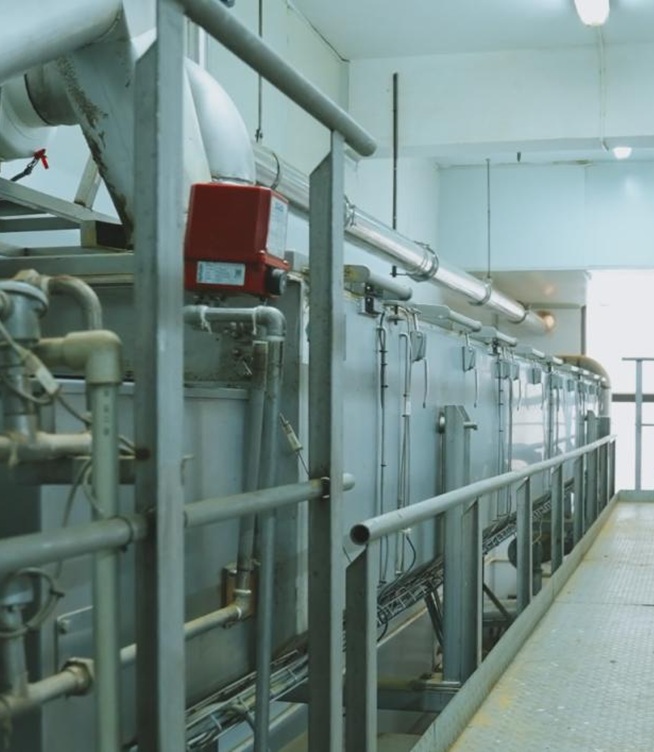
For consumers with celiac disease, even a tiny amount of gluten can trigger a reaction, so manufacturing practices matter just as much as the ingredient itself. Facilities operating under strict allergen management programs reduce these risks by implementing controlled production lines, segregated workshops, validated cleaning protocols, and traceability systems from raw material to finished product.
How Manufacturers Can Choose a Reliable Supplier
Selecting the right garlic powder manufacturer is the key to avoiding gluten related problems. Businesses should look beyond price and prioritize product purity, factory certifications, traceability, and the supplier’s history of serving global food companies. A dependable supplier will be transparent about how the garlic is processed, what the factory handles, and how cross contamination risks are controlled.
Suppliers with robust quality systems are usually able to provide detailed documentation such as gluten free declarations, COAs, allergen reports, and clear descriptions of their production environment. Manufacturers working with major multinational food brands often maintain higher standards, making them safer choices for gluten free product lines.
Garlic Powder from ShunDi Foods
ShunDi Foods provides high quality garlic powder that is gluten free, non-GMO, additive-free, and produced under strict international food safety systems including BRC, HACCP, ISO22000, Kosher, and Halal. With more than 30 years of experience in dehydrated vegetables and spices, ShunDi operates large farm bases, advanced processing lines, and a dedicated quality control center capable of performing microbiological, physical, and chemical analyses. Our garlic powder is exported to over 40 countries and trusted by global manufacturers, including leading food brands.
Final Thoughts
In conclusion, pure garlic powder is naturally gluten free, but the actual gluten free status of a product depends on its purity and the supplier’s manufacturing practices. Additives, blended seasonings, and cross contamination can all introduce gluten into garlic powder, making it unsuitable for gluten sensitive consumers unless proper controls are in place.
For food manufacturers, the safest approach is to work with a trusted supplier that maintains strict quality systems, transparent processing, and reliable allergen control. With the right sourcing strategy, garlic powder remains a versatile, flavorful, and clean label ingredient ideal for gluten free formulations across a wide range of applications.