





Is Mushroom Nutrition Overhyped? The Real Benefits of White Button Mushrooms
Mushrooms are often praised as a superfood—but is all the hype really justified? When we talk about mushrooms in everyday life, we’re usually referring to the white button mushroom (Agaricus bisporus), also known as the common mushroom or champignon. While they might look humble, these fungi offer a wealth of nutritional benefits that go well beyond what most vegetables can provide.
In fact, studies have shown that mushrooms contain 4 to 12 times more nutrients than most fruits and vegetables. Thanks to their soft, tender texture and naturally savory flavor, they’re often called “plant-based meat”, and have even earned the nickname “the king of plant foods” among health-conscious communities.
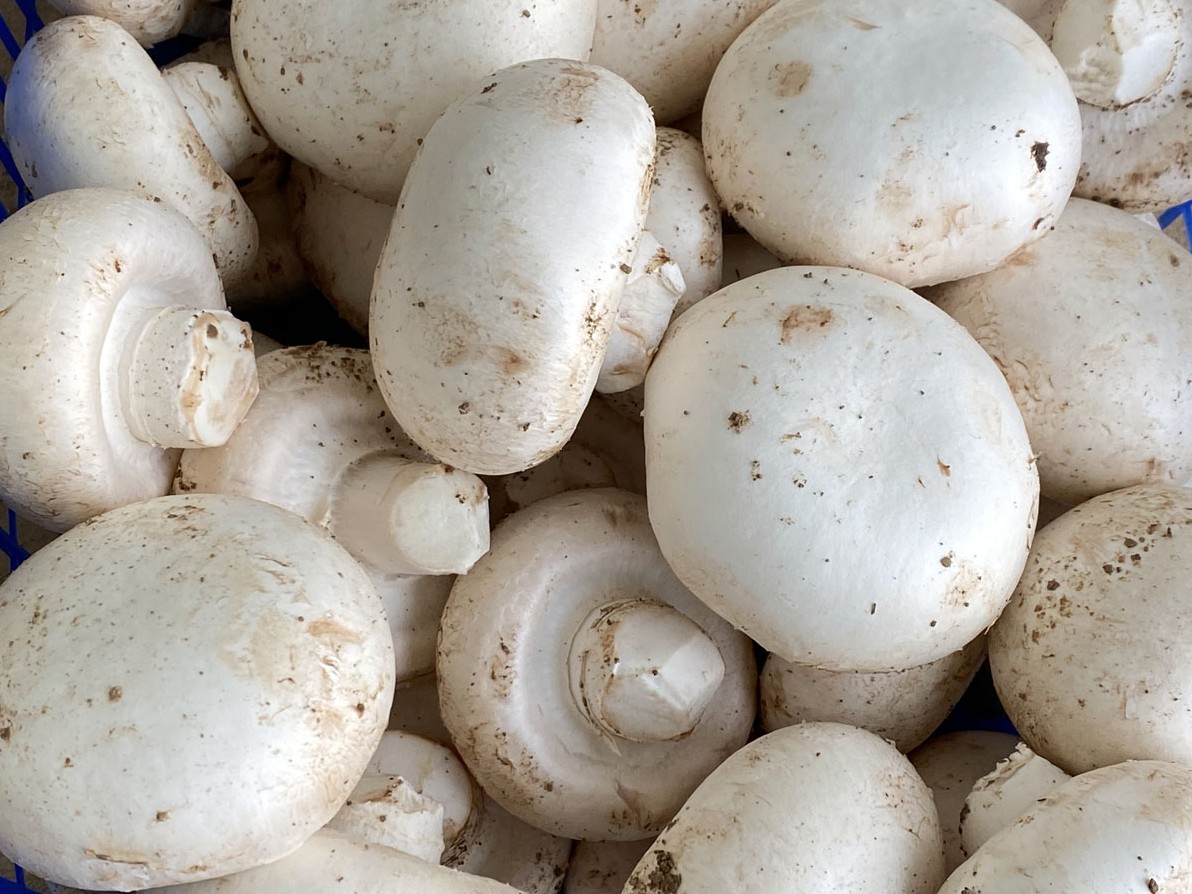
Back in the 1990s, the FAO (Food and Agriculture Organization) and UNESCO jointly proposed a forward-looking dietary concept for the 21st century: “The ideal meal is one part meat, one part vegetables, and one part mushrooms.”
Mushrooms, including enoki, straw mushrooms, shiitake, oyster, and especially white button mushrooms, are rich in plant protein, amino acids, and a wide range of essential micronutrients. In the case of white button mushrooms specifically, protein content can reach up to 35–38% of dry weight. They’re also packed with six essential amino acids, along with vitamin B1, B2, PP (niacin), folic acid, ascorbic acid (vitamin C), and even vitamin D, which is rare in plant-based foods.
One particularly noteworthy feature? Selenium content. White button mushrooms are one of the best natural sources of selenium, second only to reishi mushrooms in terms of absorption effectiveness. While many “selenium-rich” products are available on the market, research has shown that the selenium found in mushrooms is more bioavailable—that is, it’s easier for the body to absorb and use. Alongside selenium, mushrooms also contain calcium, magnesium, zinc, and a dozen other trace minerals that contribute to overall health.
Because of their dense nutrient profile, white button mushrooms are highly regarded in the West as a functional food. In Europe and North America, they’ve been dubbed “God’s food”, while in Japan, they’re often described as “the pinnacle of plant-based nutrition.” When exposed to sunlight, they naturally generate vitamin D, making them one of the very few plant foods capable of providing this essential nutrient.
Beyond basic nutrition, mushrooms also offer potential health and immunity benefits. Research from Tufts University in the United States has shown that compounds in white button mushrooms may help activate natural immune defenses, enhancing the activity of key immune cells that fight off viruses and pathogens. They’re naturally cholesterol-free, fat-free, and loaded with antioxidants and bioactive compounds that support overall wellness.
What’s more, people who regularly eat mushrooms tend to have higher intakes of vitamins and minerals compared to those who don’t. Thanks to their umami-rich profile, mushrooms can be cooked with a variety of ingredients and bring out the natural flavor of dishes without the need for heavy seasonings. And because they’re very low in calories, they’re a favorite among people looking to maintain a balanced diet without sacrificing taste or fullness.
Final Thought
So, is the nutrition of mushrooms overhyped? Far from it. White button mushrooms aren’t just a healthy addition to your plate—they’re a nutrient powerhouse, a culinary multitasker, and a functional food with growing scientific support. Whether you’re a food manufacturer, a restaurant chain, or simply a home cook, white button mushrooms deserve a spot on the menu.
At ShunDi Foods, we offer a wide range of premium dried mushroom products, including white button mushrooms, shiitake, oyster, and more. Carefully processed and quality-assured, our mushrooms are exported to markets across Europe, North America, Southeast Asia, and beyond—trusted by global food brands for their consistent flavor, safety, and shelf stability.