

What fruits cannot be freeze dried?
Freeze-drying is widely regarded as one of the best methods for preserving fruits while maintaining their structure, color, and nutritional value. However, not all fruits respond equally well to this process. Depending on their water content, sugar or fat levels, and texture, some fruits produce less-than-ideal results—whether in appearance, taste, or shelf life—after freeze-drying.
If you’re considering purchasing or producing freeze dried fruits, understanding the limitations of freeze-drying is essential. Here's a closer look at why certain fruits may not be suitable for this method.
Fruits with High Water Content
Watermelon is the most notable example in this category. With more than 90% water content, it loses nearly all its volume and weight during freeze-drying. The result is often a fragile, airy product that lacks the juicy sweetness of fresh watermelon. The texture tends to be crumbly, and the flavor may be faint. While technically possible, freeze-drying watermelon offers a very low yield and poor cost-effectiveness.
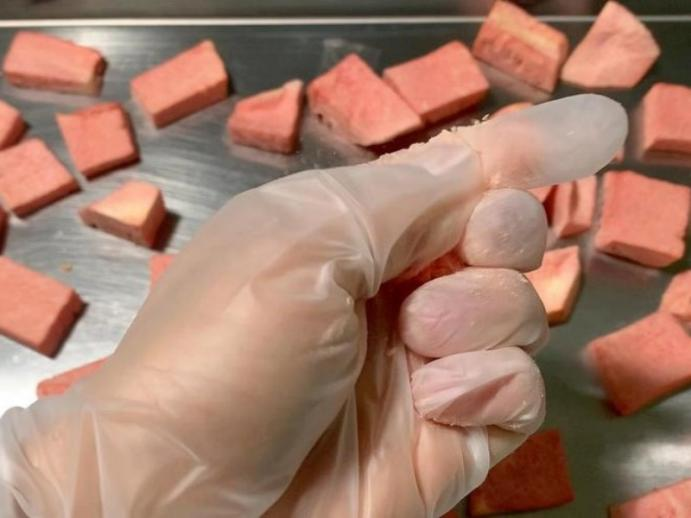
Cantaloupe and honeydew melon are slightly better but still problematic. These melons also contain around 90% water, and while their texture may hold up a bit better, the final product often lacks concentrated flavor and is prone to becoming soft or soggy when exposed to humidity.
Citrus Fruits
Citrus fruits like oranges, grapefruits, pomelos, and lemons are high in citric acid and natural sugars. During freeze-drying, these components become highly concentrated, often making the fruit segments hard, overly crunchy, and far less juicy than when fresh. The texture can resemble a tart, brittle chip, which is generally not pleasant for direct snacking. Additionally, the fibrous pulp tends to become coarse, further affecting the mouthfeel.
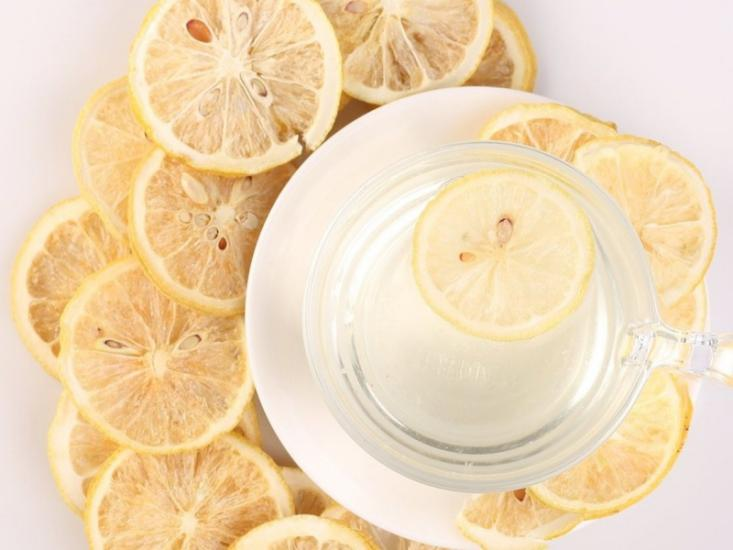
Because of these characteristics, the flesh of citrus fruits is rarely used in commercial freeze dried snacks. Instead, their peels are more commonly freeze dried for use as flavoring agents. Lemons, in particular, are so acidic that their freeze dried pulp is often too sour to eat on its own. However, freeze dried lemon slices are still popular for making infused water, tea beverages, or as a decorative and flavorful addition to dishes and baked goods.
High Fat Fruits
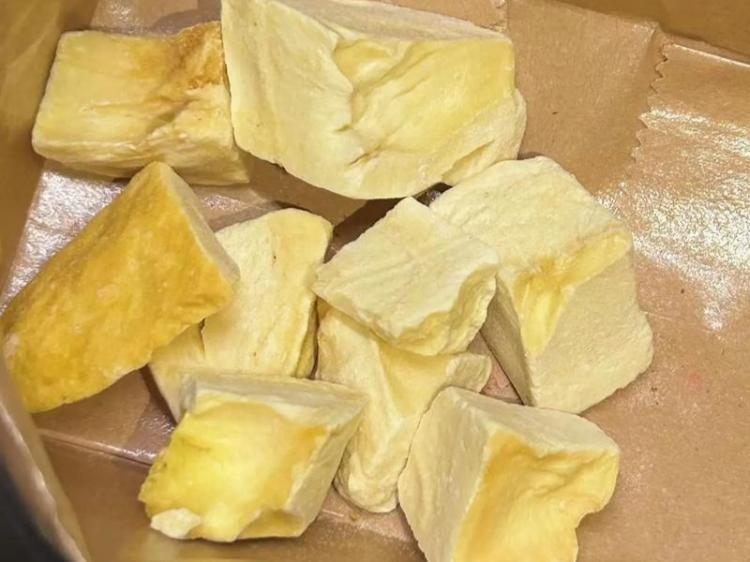
Durian is a prime example. Though popular in Southeast Asia and available in freeze dried form, durian’s high fat content makes it highly prone to oxidation. This leads to rancid off-flavors and a short shelf life unless it's packaged under nitrogen or in vacuum-sealed conditions.
Avocados are naturally rich in healthy fats, particularly monounsaturated fats. However, this makes them a poor candidate for freeze-drying in their raw form. Once processed, the fat is prone to oxidation, leading to an unpleasant oily or rancid taste.
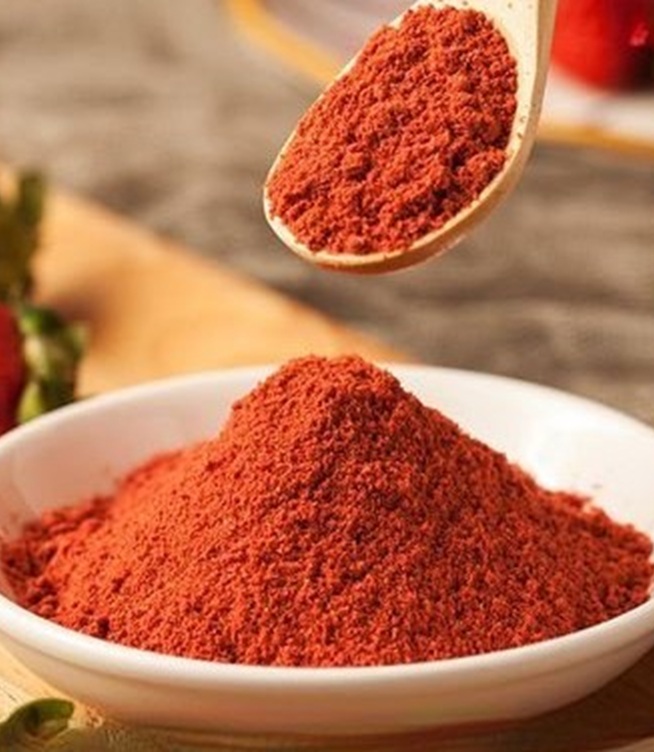
In addition, freeze-drying alters the smooth texture of fresh avocado, resulting in a mealy or chalky mouthfeel. For this reason, pure avocado slices are rarely freeze dried. However, avocado powders or freeze dried avocado blocks can be produced for industrial use—often using added stabilizers and antioxidants to extend shelf life and improve taste.
Overripe or Delicate Fruits
Fruits with soft or fragile textures, such as very ripe peaches, apricots, and plums, are often too delicate to survive freeze-drying intact. After processing, they may crumble during packaging or shipping, resulting in a powdery product that lacks visual appeal.
Even widely used fruits like strawberries and raspberries can be problematic if not harvested at the right ripeness. Overripe berries tend to collapse during freeze-drying and become extremely brittle. Commercial producers usually select fruit that is firm and slightly underripe to ensure a more attractive final product.
What You Should Keep in Mind
1. Some fruits can perform better after being sliced, soaked in sugar or acid solutions, or treated with anti-caking agents. These steps help reduce moisture absorption, improve shelf stability, and maintain texture.
2. Despite technical challenges, certain fruits like freeze dried durian remain popular due to high consumer demand. Manufacturers often adapt their processes or accept limitations in flavor or storage in exchange for market appeal.
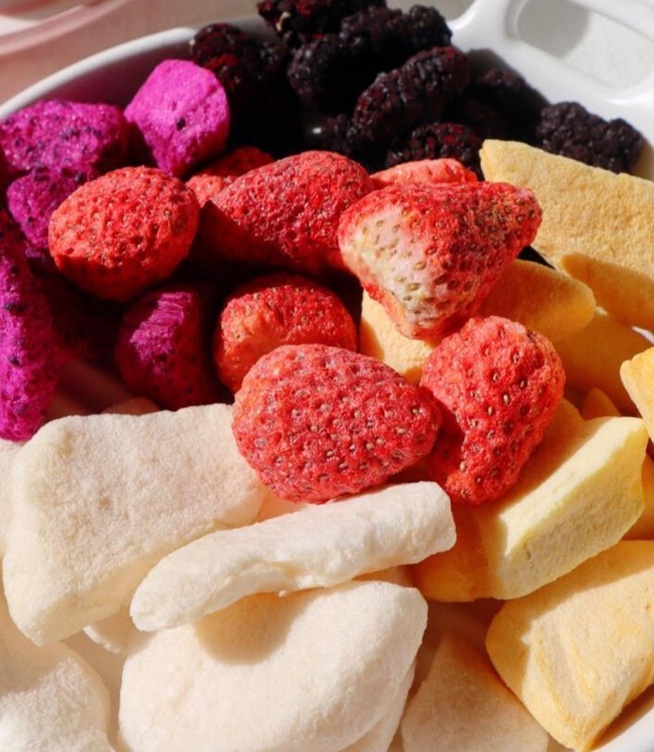
3. Just because a fruit isn’t ideal for freeze-drying doesn’t mean it’s impossible to process. It simply means that compared to better-performing fruits like strawberries, mangoes, apples, or blueberries, the outcome may be less consistent or cost-effective.
Final Thoughts
Selecting freeze-dried fruits—whether for retail, foodservice, or industrial applications—it's important to consider the natural characteristics of the fruit and how they affect the final product. For optimal results in both taste and quality, choose fruits that are firm, low in fat, and balanced in sugar and acidity. And when dealing with more sensitive fruits, be sure to pay attention to proper packaging and storage to maintain product integrity.