


What is the Difference Between Air Dried and Freeze Dried Mushrooms
Mushrooms are a versatile and nutritious food, valued around the world for their unique flavor, delicate texture, and health-promoting compounds. Because fresh mushrooms are highly perishable and difficult to store for long periods, drying has become one of the most important preservation methods.
Among the different approaches, air-drying and freeze-drying stand out as the two most commonly used techniques. While both extend the shelf life of mushrooms and make them suitable for industrial supply chains, the methods produce very different results in terms of texture, flavor, nutrient retention, and cost. Understanding these differences is essential for food manufacturers, retailers, and industrial buyers who must decide which type of dried mushroom best fits their applications.
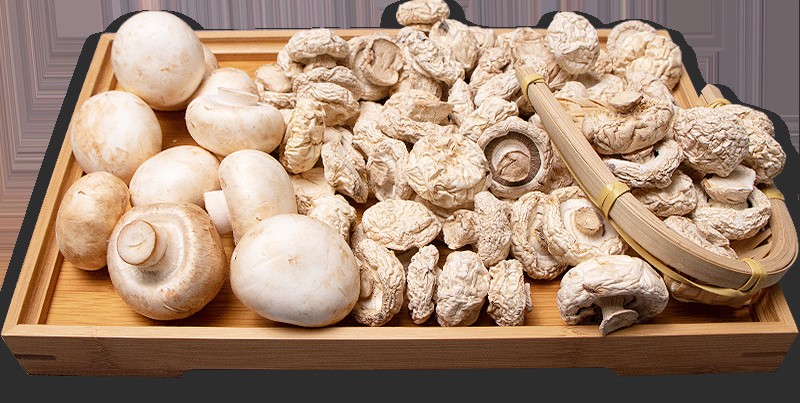
What Are Air Dried Mushrooms?
Air-drying is one of the oldest and most widely practiced ways of preserving mushrooms. In this method, fresh mushrooms are placed in drying chambers or ovens and exposed to carefully controlled flows of heated air. The process continues until most of the moisture content is removed, reducing the mushrooms to a stable state that can be stored for many months.
Air dried mushrooms tend to develop a darker color and denser texture, as the higher temperatures cause some browning and shrinkage. Their flavor becomes more concentrated, producing a rich, earthy taste that works well in soups, sauces, and broths. When rehydrated, air dried mushrooms do not fully return to their original fresh form, but they deliver depth of flavor that enhances many culinary preparations. Because the process is relatively cost-efficient, air dried mushrooms are widely used in instant noodles, powdered soup bases, seasoning blends, and foodservice kitchens that require affordable and reliable ingredients.
What Are Freeze Dried Mushrooms?
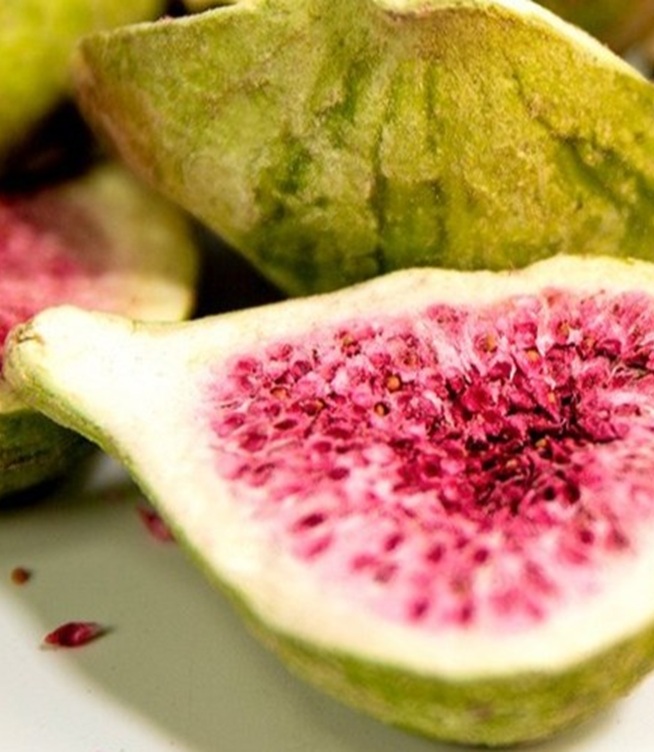
Freeze-drying is a more advanced preservation technique that uses extremely low temperatures and vacuum conditions to remove water from mushrooms. The mushrooms are first frozen and then placed in a chamber where ice sublimates directly into vapor without passing through the liquid stage. This process allows the mushrooms to retain their natural shape, size, and color with minimal structural damage.
Freeze dried mushrooms are light, porous, and crisp, and when rehydrated they return to a texture that is closer to fresh mushrooms compared to air dried versions. Their flavor remains clean and delicate, without the heat-induced changes that occur during air-drying. Because of their appearance, texture, and high quality rehydration, freeze dried mushrooms are especially favored in premium food products, RTE meals, healthy snacks, and nutritional supplements. Their very low moisture content also provides an extended shelf life, often lasting several years under proper storage.
Nutritional Preservation
Nutritional retention is one of the most important differences between air dried and freeze dried mushrooms. Mushrooms are rich in vitamins, minerals, proteins, and antioxidants, but each drying method influences these nutrients differently. Heat-sensitive vitamins such as Vitamin C are significantly reduced during air-drying, while freeze-drying preserves much higher levels since no heat is applied.
The B vitamin group, which includes thiamine, riboflavin, niacin, and pantothenic acid, also fares better under freeze-drying, as air-drying can cause partial losses, especially of thiamine. Minerals such as potassium, selenium, and copper remain relatively stable during both processes, but freeze dried mushrooms retain them in concentrations closer to fresh mushrooms due to the gentle conditions.
Proteins and amino acids can be partially denatured in air-drying because of the heat, whereas freeze dried mushrooms keep protein structures more intact, which is particularly important for nutraceutical and fortified food applications. Antioxidants and bioactive compounds such as phenolics and ergothioneine are also better preserved by freeze-drying, giving these mushrooms greater functional benefits for health-focused products.
Choosing Between Air Dried and Freeze Dried Mushrooms
For industrial buyers and food manufacturers, the decision between them comes down to cost, product positioning, and intended use. Air dried mushrooms offer a economical option, making them suitable for large-scale foodservice operations, soup mixes, and instant meals where appearance and precise nutritional integrity are less critical.
Freeze dried mushrooms, on the other hand, provide superior quality in terms of texture, rehydration, nutrient retention, and visual appeal. They are the preferred choice for premium markets, health supplements, high-end retail packaging, and applications where consumers expect a fresh-like experience. Many companies choose to incorporate both options into their product lines, using air dried mushrooms for cost-sensitive recipes and freeze dried mushrooms for high-value products.
ShunDi Foods: A Leading Manufacturer of Dried Mushrooms
ShunDi Foods, with more than three decades of expertise, has established itself as one of the world’s top manufacturers of dried mushrooms. Operating modern farms and production facilities across China, ShunDi is recognized for its strong commitment to food safety and sustainability. The company offers both air dried and freeze dried mushroom solutions, giving customers the flexibility to choose products that match their specific needs. ShunDi is also one of the few companies equipped with advanced Swiss steam sterilization technology, ensuring the highest standards of food safety and enabling the production of ready-to-eat mushroom ingredients. With certifications such as BRC, HACCP, Halal, and Kosher, and with a reputation for sustainable farming practices, ShunDi continues to serve multinational corporations, food processors, and industrial buyers around the globe.