

Where Do White Button Mushrooms Grow? Grass-Decomposing vs. Wood-Decomposing Fungi
Did you know that most of the edible mushrooms we eat today are cultivated rather than wild?
In fact, the majority of cultivated mushrooms belong to a group known as saprophytic fungi—organisms that feed on decaying organic matter such as dead plants, animals, or other natural residues.
Depending on the type of material they decompose, these fungi are generally divided into two main categories: grass-decomposing fungi and wood-decomposing fungi.
Wood-Decomposing Fungi: Masters of Breaking Down Timber
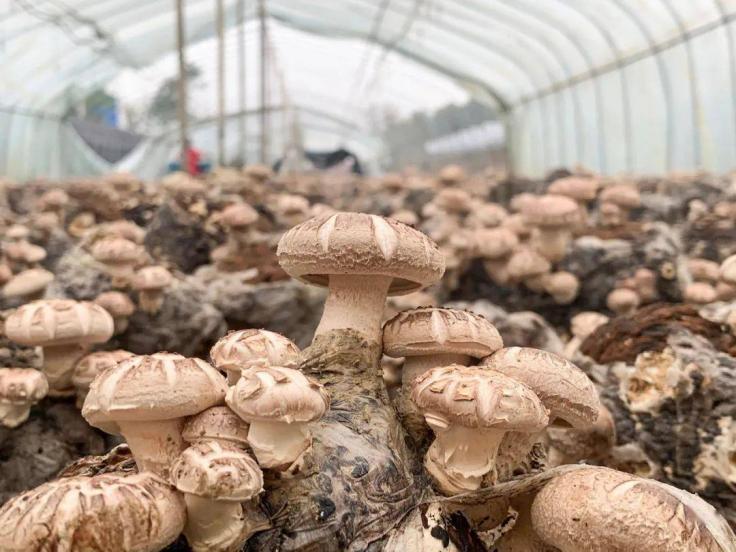
Wood-decomposing fungi thrive on woody plant materials such as tree trunks, branches, and sawdust.
They secrete enzymes like ligninase and cellulase, which break down the lignin and cellulose found in plant cell walls, converting them into organic nutrients the fungi can absorb. Common representatives include shiitake (Lentinula edodes), reishi (Ganoderma lucidum), and black fungus (Auricularia auricula-judae).
These mushrooms usually have a longer growth cycle but are highly valued for their rich aroma and complex flavor, which is why shiitake mushrooms are so fragrant and flavorful.
Grass-Decomposing Fungi: Experts in Breaking Down Crop Residues
In contrast, grass-decomposing fungi use the remains of herbaceous plants—such as straw, corn stalks, and other non-woody materials—as their primary nutrient source. They produce cellulase and hemicellulase to decompose crop residues, transforming these materials into nutrients for fungal growth.
Typical examples include white button mushrooms (Agaricus bisporus), brown mushrooms, Agaricus blazei, straw mushrooms (Volvariella volvacea), and Agaricus subrufescens.
These species play a key role in commercial mushroom cultivation due to their efficient growth cycles and adaptability.
The White Button Mushroom: A Classic Grass-Decomposing Fungus
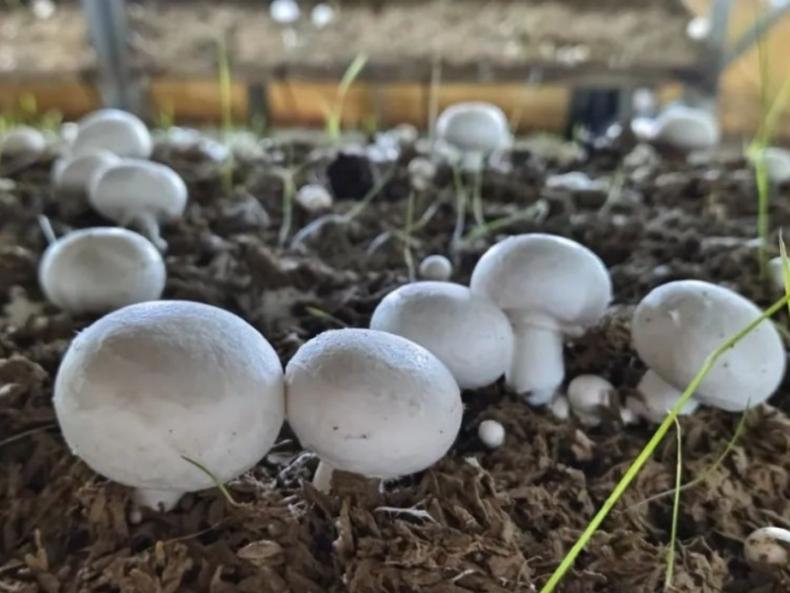
As a representative of grass-decomposing fungi, the white button mushroom thrives in compost made from materials like straw, wheat bran, chicken manure, and horse manure. This compost undergoes high-temperature fermentation, becoming rich in nitrogen, carbon, and essential minerals—all ideal nutrients for mycelial growth.
In modern cultivation facilities, the process is highly standardized: substrates are carefully formulated, sterilized, and fermented before inoculation. Once the mycelium is introduced, it rapidly colonizes the compost, and within a few weeks, the mushrooms begin to fruit.
Thanks to its short cultivation cycle, high yield, and easy standardization, the white button mushroom has become one of the most widely cultivated edible mushrooms worldwide.
From Nature to Cultivation
Whether grass-decomposing or wood-decomposing, both types of fungi demonstrate nature's remarkable ability to recycle organic matter.
Through scientific cultivation and modern agricultural practices, mushrooms like Agaricus bisporus bring the best of nature's nutrition and flavor to tables around the world — sustainably and efficiently.
At ShunDi Foods' white button mushroom base, every stage—from compost preparation to harvesting—is carefully monitored to ensure consistent quality, food safety, and full traceability. These freshly cultivated mushrooms serve as the high quality raw materials for ShunDi's dried mushroom products. By combining advanced farming techniques with decades of expertise, ShunDi ensures a sustainable and reliable supply that reflects the harmony between nature and innovation.