

Why the White Button Mushroom Is a Global Favorite
When it comes to mushrooms, the white button mushroom—also known by its scientific name Agaricus bisporus—is by far the most familiar and widely consumed variety around the world. Whether you call it a button mushroom, table mushroom, or simply champignon, this humble fungus has truly earned its reputation as the most widely cultivated mushroom globally.
A Mushroom the World Relies On
White button mushrooms are cultivated in over 100 countries and regions, making them the backbone of the global edible fungi market. In fact, they account for approximately 95% of mushroom consumption worldwide. This level of reach and popularity is why many refer to it as a global mushroom, both in terms of production and culinary presence.
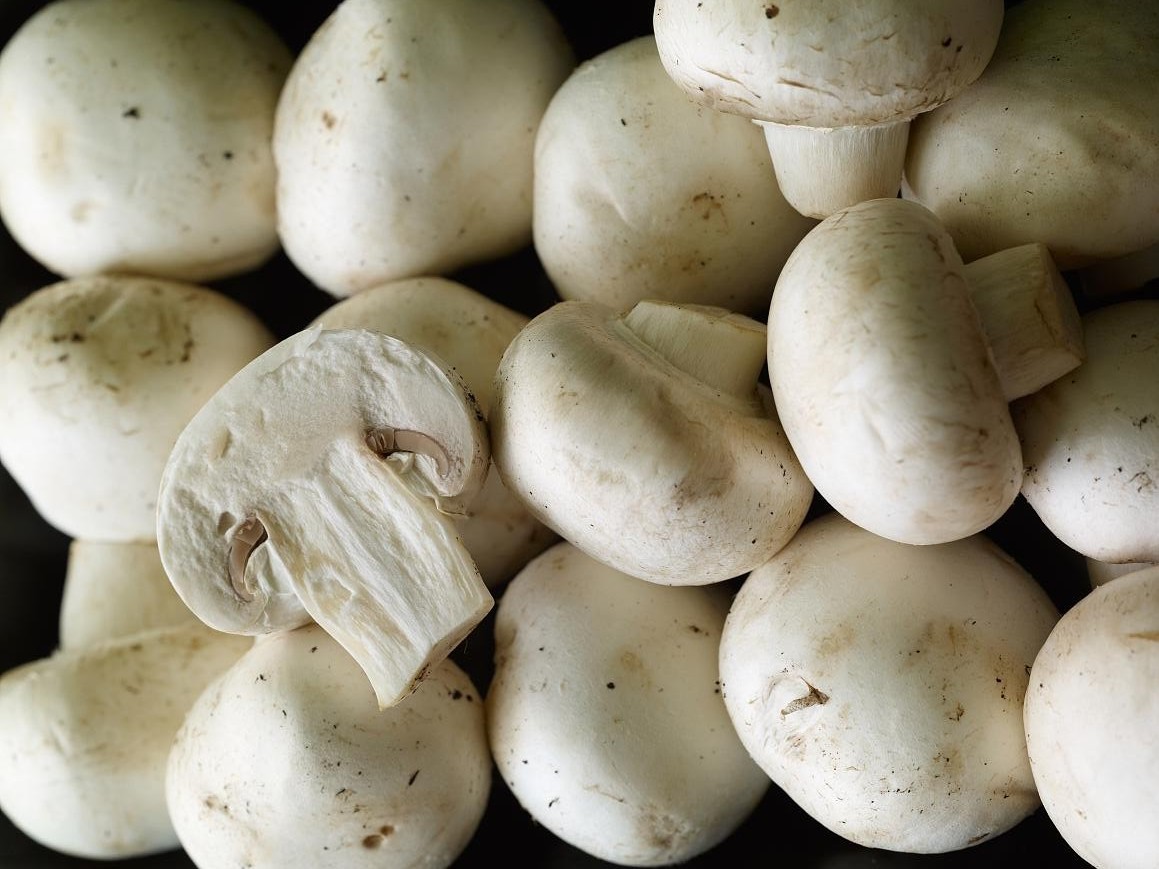
Freshly picked white button mushrooms are smooth and bright white, often with a light, velvety texture on the cap. They are known for their excellent nutritional profile, offering high-quality plant-based protein, water-soluble vitamins, and essential trace minerals. Per 100 grams of edible portion, they provide approximately: Protein: 4.2g, Fat: 0.1g, Insoluble dietary fiber: 1.5g, Riboflavin (Vitamin B2): 0.27mg, Niacin (Vitamin B3): 3.20mg, Zinc: 6.6mg, Selenium: 6.99μg.
In essence, white button mushrooms embody the core characteristics of health-forward ingredients: high protein, low fat, low calories, and rich in polysaccharides, fiber, amino acids, and vitamins. They fit perfectly into today’s nutrition-conscious, whole-food dietary trends.
A Centuries-Old Cultivation Story
The cultivation history of white button mushrooms dates back almost 400 years. Records suggest that as early as the 1550s, farmers in France were experimenting with growing them. Because Agaricus bisporus mycelium is relatively fragile and unable to break down tough materials like cellulose or lignin, early cultivation methods relied on nutrient-rich substrates—most famously, horse manure.
By 1651, French growers were collecting spores from mature mushroom caps and sowing them onto composted donkey and horse manure in melon fields, kickstarting what would eventually become large-scale commercial mushroom farming.
White Button Mushrooms in China
China began cultivating white button mushrooms in Shanghai in 1935, and the practice quickly expanded to provinces such as Jiangsu, Zhejiang, and Fujian. Today, with the advancement of climate-controlled growing technology, China has established year-round industrial production, allowing consistent output and quality.
By the first half of 2018, the country’s daily production capacity of factory-grown white button mushrooms had reached around 450 metric tons. Modern mushroom facilities carefully regulate temperature, humidity, CO₂ levels, and airflow to simulate the perfect natural environment—ensuring quality and yield every season.
Want to see how we do it? Click to visit ShunDi’s cultivation base:
https://site_d20d6569-57a9-445f-87a6-9613464401ec/news/how-shundi-grows-premium-mushrooms-year-round-with-innovation-and/
How to Choose White Button Mushrooms
For home cooks and buyers alike, freshness is key. When selecting white button mushrooms, look for a clean, creamy white color, a firm, springy texture with no sliminess, caps that are tightly closed around the stem. Avoid mushrooms that look dull, grayish, or sticky to the touch. If the caps have opened up and you can see the dark gills underneath, they are likely past their peak freshness.
If you're a food manufacturer or restaurant chain in need of bulk quantities of dried white button mushrooms, ShunDi Foods offers a reliable, high-quality solution. Our mushrooms are cultivated without any chemical fertilizers or pesticides, and we hold multiple international certifications. With exports to more than 40 countries worldwide, we’re proud to supply many leading global food brands.